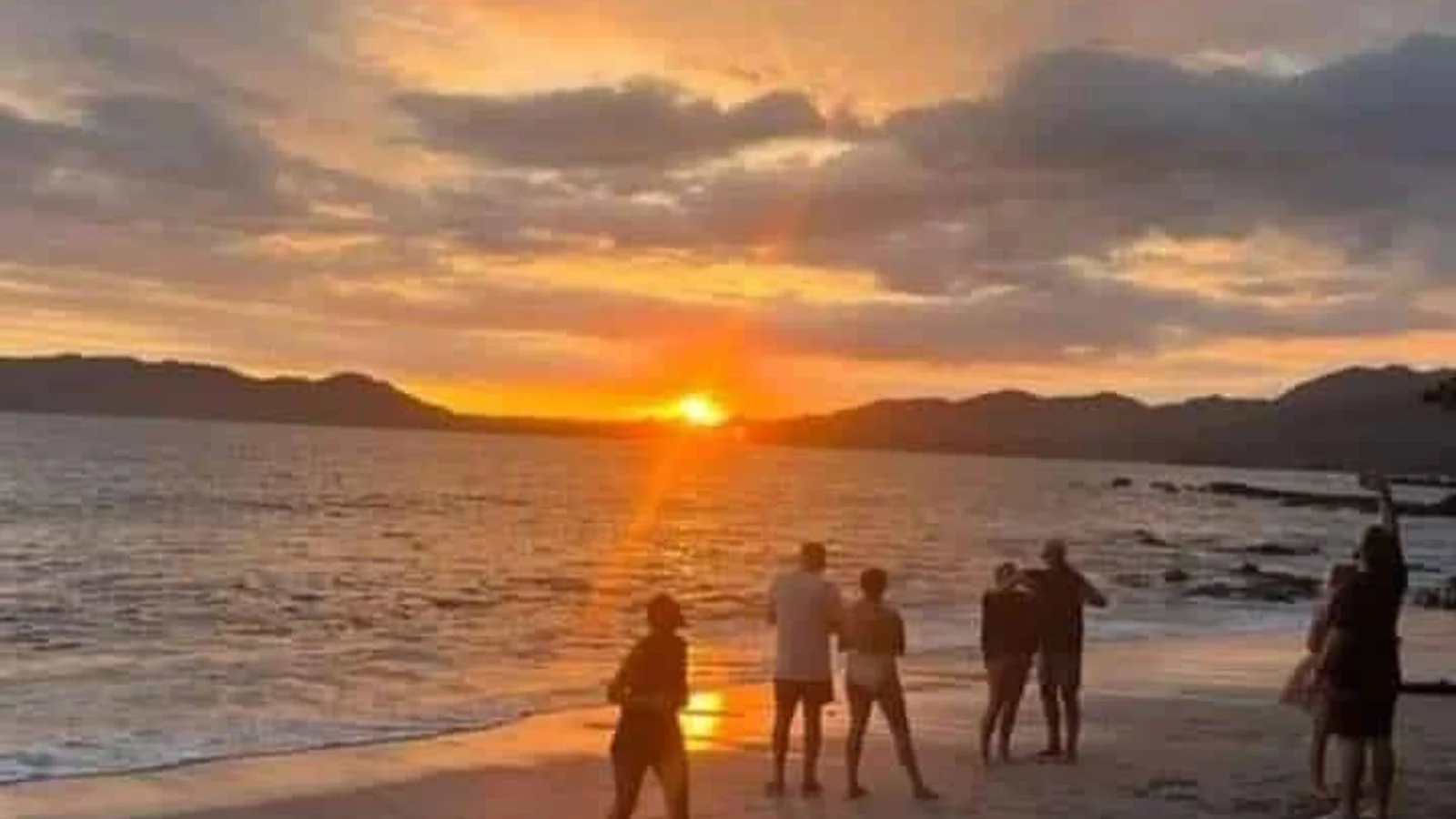
Bioluminescence Near Santa Teresa: the Moonrise Decides Your Night
The plankton glow every night of the year. The moon is what decides whether you can see them.
 Dallas Rogers
Book a night when the moon is not in the sky between 7 and 10 p.m. That one decision matters more than the operator, the season or the price. Plankton in the bays behind the Nicoya peninsula light up whenever the water is disturbed. Moonlight is what washes the light out.
There are two ways onto the water near Santa Teresa:
- Our guided night kayak leaves from the Paquera area at 6:30 p.m. and runs about three hours, from from $45 per person.
- The bioluminescence boat tour runs about 90 minutes, starting at 7:00 p.m. or 8:30 p.m., from from $65 per person.
Both give a full refund up to 48 hours before the start time and nothing inside that window. The night you pick is the night you are committed to, so pick it on the moon.
Kayak or boat?
Take the kayak if you want the light coming off your own hands and you do not mind getting wet. Take the boat if you want to stay dry, keep it short, or have someone along who would rather not paddle in the dark. Both are guided and both run nightly.
| Night kayak | Boat tour | |
|---|---|---|
| Starts | 6:30 p.m. | 7:00 p.m. or 8:30 p.m. |
| Length | about 3 hours | about 90 minutes |
| From | from $45 per person | from $65 per person |
| You get wet | Yes | No |
| Group size | Up to 12 | Up to 12 |
| Cancellation | Full refund to 48 hours before | Full refund to 48 hours before |
The night kayak includes a bilingual local guide, the sea kayak and paddle, a life vest and safety equipment. It does not include getting yourself to the Paquera meeting point, which is the part people forget. Sort that ride out when you book, in both directions, because you will be coming back in the dark. Bring water shoes or sandals with a strap, clothes you do not mind soaking, a towel and a dry change.
The moon decides your night, not the season
Most advice on bioluminescence stops at "go on a new moon." That throws away about half the nights you could use. What matters is whether the moon is above the horizon during your tour, and that depends on the moonrise time, not just the phase. A third quarter moon does not rise until the middle of the night, so a 7 p.m. paddle happens in full darkness. A first quarter moon, by contrast, sits high overhead all evening.
Here is where the moon is at 8 p.m. in each phase, following the moonrise and moonset patterns NASA publishes:
| Moon phase | Where it is around 8 p.m. | Good for the glow? |
|---|---|---|
| New moon | Not in the night sky at all, it rises and sets with the sun | Best |
| Waxing crescent | Low in the west, setting shortly after dark | The 8:30 p.m. slot is fine |
| First quarter | High in the sky all evening | Worst |
| Waxing gibbous | Up and bright from before sunset | No |
| Full moon | Up all night, rises at sunset | Worst |
| Waning gibbous | Rising partway through the evening | Early slot only |
| Third quarter | Below the horizon until the middle of the night | Good |
| Waning crescent | Below the horizon, does not rise until before dawn | Good |
So the dark stretch runs from the third quarter moon, through the new moon, to the first thin crescent. One new moon to the next takes about 29.5 days, so that window comes around every month and lasts over a week.
Phase names in a calendar app are a rough guide. NASA's own instruction is to check local moonrise and moonset predictions for your exact date, and that is the number worth looking up before you pay.
Source: NASA Science, "Moon Phases," science.nasa.gov/moon/moon-phases, read 24 October 2026.
Cloud cover is the other variable, and nobody can promise you a clear sky. A bright moon behind thick cloud is sometimes better than a clear night at first quarter.
What you will actually see
The light comes from the water being moved, so it appears where your paddle breaks the surface, along the hull, and off your fingers when you trail a hand. Still water stays dark. That is worth knowing in advance, because the photographs that sell these tours set an expectation the eye does not quite meet.
If the moon is wrong for your whole week
Sometimes the dates do not line up, and paying for a bright night is worse than skipping it. The daytime water and forest options near Santa Teresa hold up on their own:
- A boat day to Tortuga Island with snorkelling on the reef, about seven hours, from from $85 per person.
- The zipline circuit through the Mal País canopy, about two and a half hours, from from $65 per person.
- A private nature walk in Cabo Blanco, the first protected area declared in Costa Rica, about three hours, from from $140 per person.
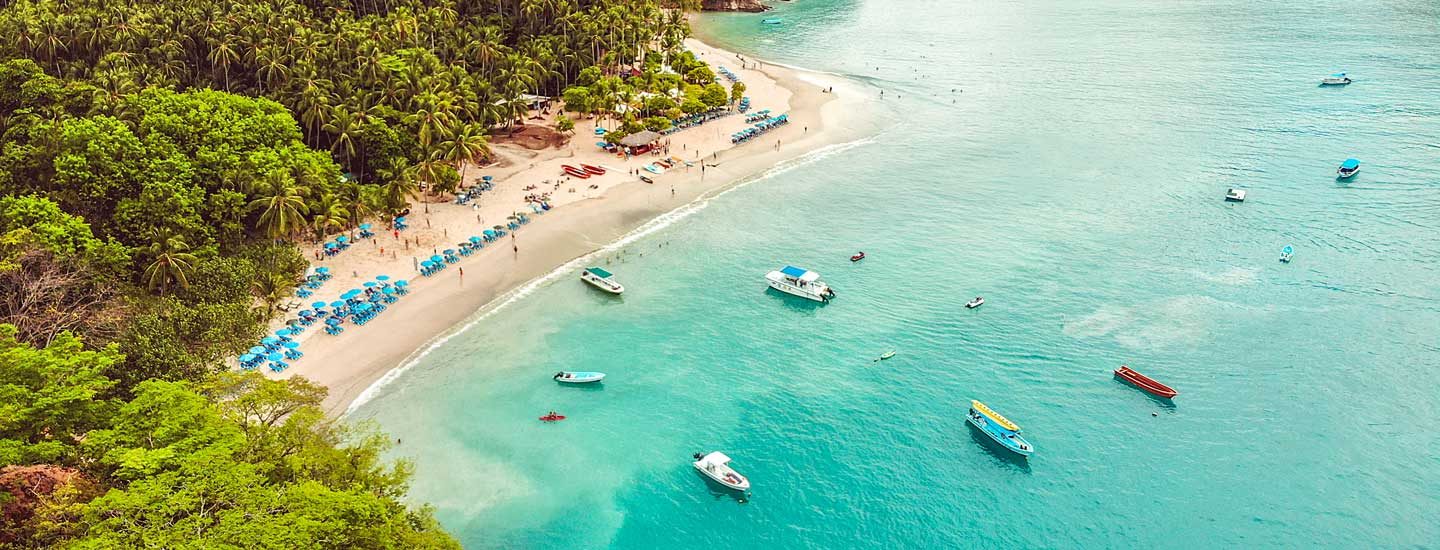 Tortuga Island Santa TeresaSanta Teresa, Costa RicaLocated off the coast of Santa Teresa on the Nicoya Peninsula of Costa Rica, Tortuga Island is a pristine tropical paradise known for its crystalline waters, white sandy beaches, and abundant marine life. Accessible only by boat, this secluded island offers visitors a serene escape from the hustle and bustle of daily life, inviting them to immerse themselves in the beauty of nature and unwind in a picture-perfect setting. Key Points to Consider: Exquisite Beaches: Tortuga Island boasts some of…
How to book
Message us with the dates you are in Santa Teresa and we will tell you which of those evenings the moon is actually out of the way, then hold the kayak or the boat for the right one. If none of your nights work, we will say so rather than sell you a bright one.
Ask us before you lock the date. The 48 hour rule is the reason the order matters.
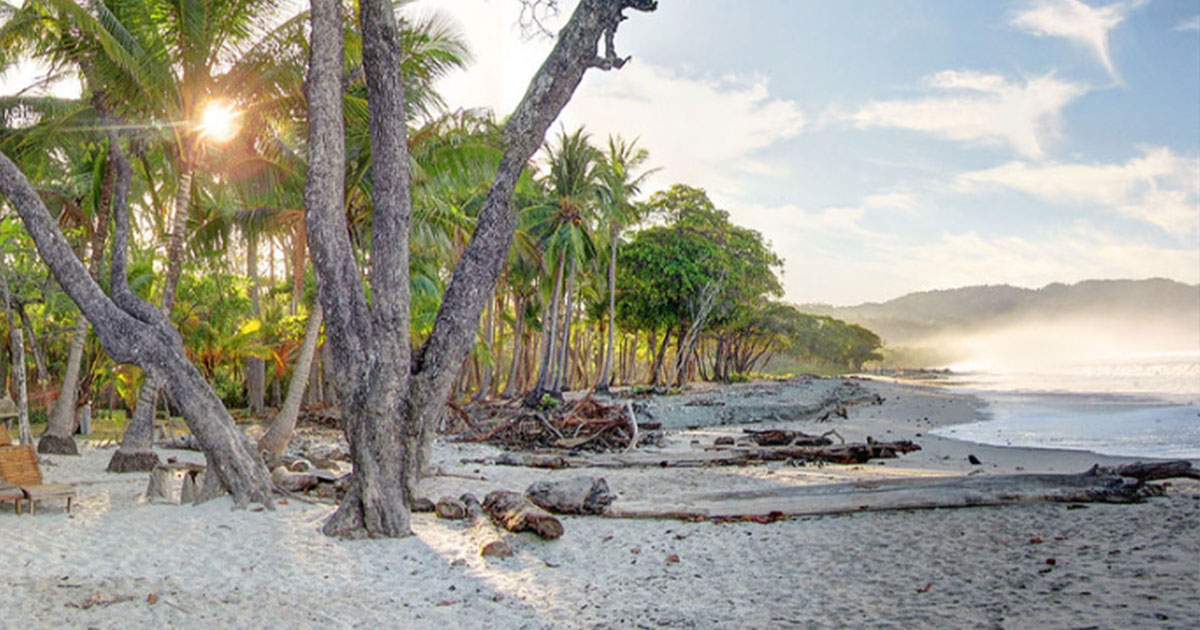 Santa TeresaCosta Rica
Toorizta is how modern travelers plan, book and share Costa Rica trips. Open the app to build your own.
Open the Toorizta app