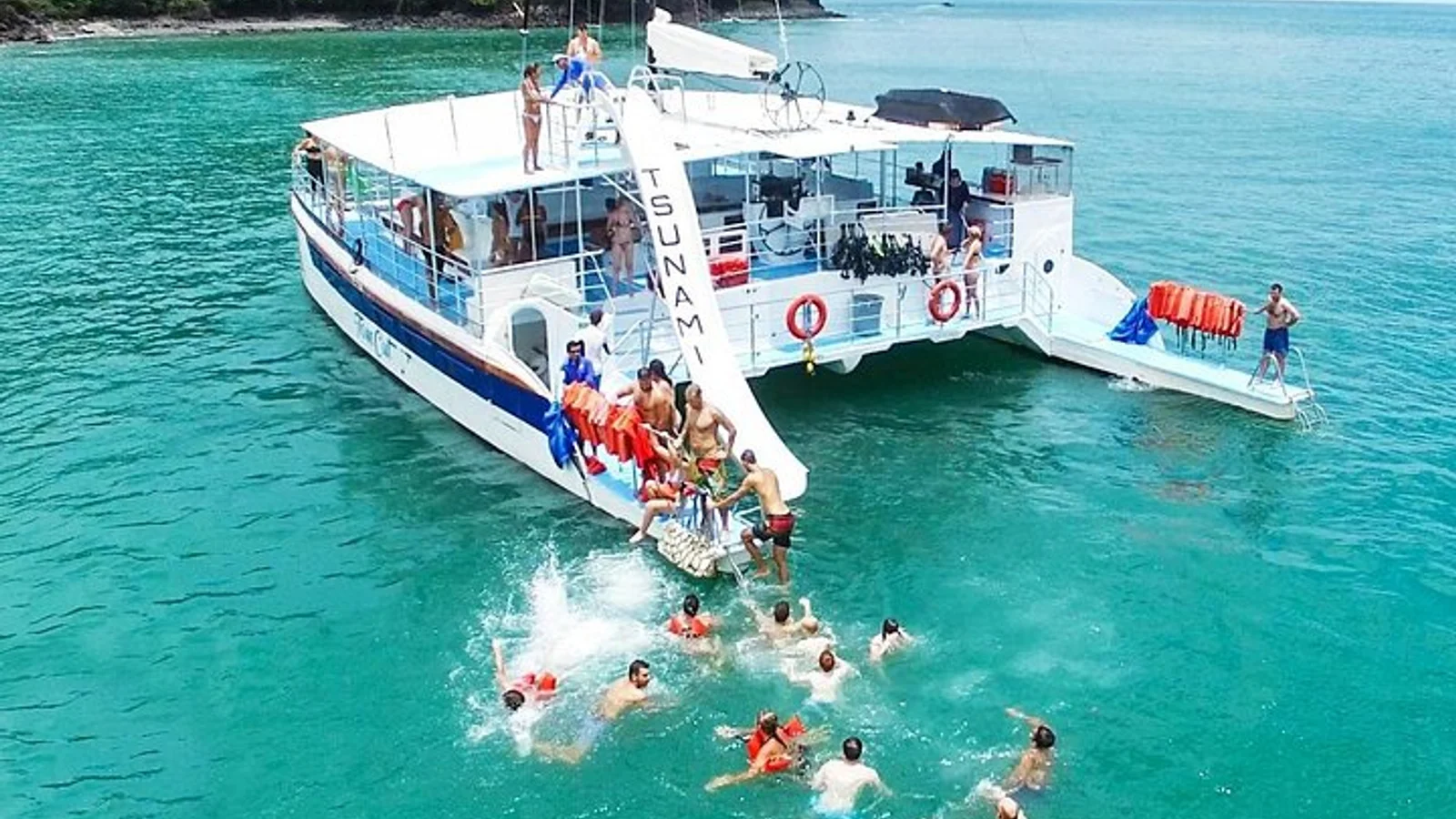
Which Boat to Book in Playa Flamingo: the Catalinas Morning or the 2 p.m. Sail
The catamaran we book here sails in the early afternoon, and from December to March that is the windy half of the day. How to choose your boat and your hour.
 Marta Daví
Short answer: if the snorkeling is the part your children came for, book a morning boat and keep a sunset sail as a separate evening. The all inclusive catamaran snorkel trip we book out of Playa Flamingo runs about four hours, and every departure showing in our system today leaves in the early afternoon. From December to March, that is the windy half of the day on this coast. The hull matters less than the hour.
Every Flamingo activity page gives you the same three lines: sunset catamaran, snorkel trip, fishing charter. None of them mentions that the weeks most families pick for a Guanacaste beach holiday are the same weeks the water turns cold and the surface turns lumpy after lunch. None of that is a reason to skip the boat day, but it does mean choosing your hour on purpose.
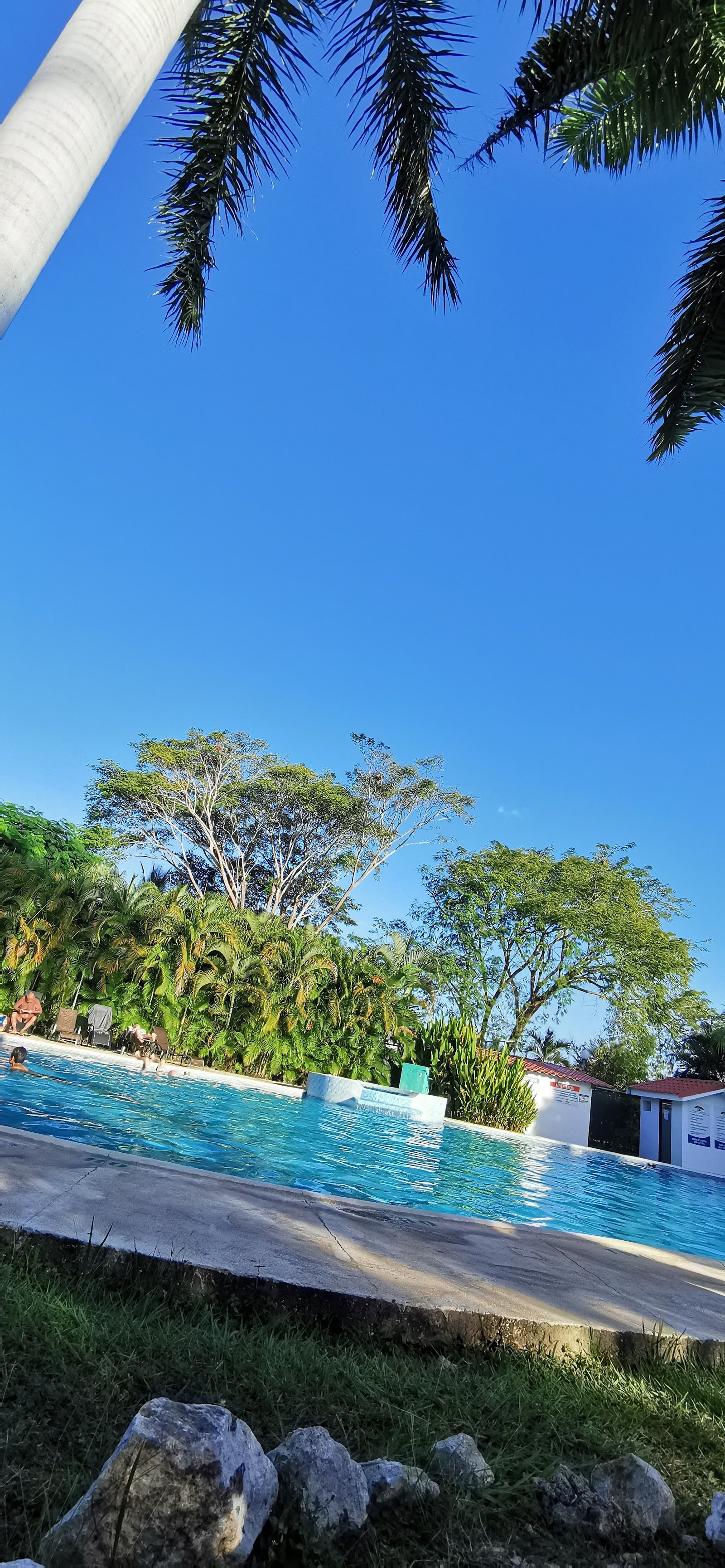 Playa FlamingoCosta Rica
What the Papagayo wind does to your snorkel stop
From roughly December to March, a dry season wind funnels across the narrow waist of Central America and out over the Gulf of Papagayo. Pacific Coast Dive Center, an operator working this coast, describes the mechanism plainly: the wind pushes sun warmed surface water away from shore, colder water rises from below to replace it, and that cold water carries nutrients which feed everything up the chain (pacificcoastdivecenter.com, read 23 October 2026).
So in the high season weeks you are most likely flying into, three things are true at once. The water is colder than the photograph on the booking page. The surface is choppier, and that same page warns that the wind driven waves make snorkeling less comfortable for anyone sensitive to motion. And there is more in the water than at any other time of year.

| December to April | May and November | June to October | |
|---|---|---|---|
| Water temperature | 17 to 24 C, 63 to 75 F | 25 to 27 C, 77 to 81 F | 28 to 30 C, 82 to 86 F |
| Surface by mid afternoon | Wind driven chop is normal | Variable | Calmer near shore |
| What is around | Giant manta rays peak at the Catalina Islands, northern humpbacks pass December to March | Mixed | Southern humpbacks July to October, warm water |
| Suits | Wildlife, strong swimmers, people who do not mind cold | Value and variety | Families swimming with small children |
Those temperatures and seasons are published by Bill Beard's Costa Rica, which has run diving on this coast since 1970 (billbeardcostarica.com, read 23 October 2026). They are dive numbers, taken deeper than a snorkeler floats, so treat them as the direction of travel rather than the reading at the surface. Either way, a February boat in Guanacaste is not the bath warm water most people are picturing when they book it.
On visibility, two operators flatly disagree
Bill Beard's puts dry season visibility at 20 to 30 metres and calls December through March the clearest water of the year. Pacific Coast Dive Center, on the same stretch of coast, describes December water as colder, more turbulent and murkier. Both are operators selling trips, and both pages were read on 23 October 2026.
They can both be right inside the same month. Upwelling can lift clean deep water into a site, and the nutrients it carries can also bloom plankton near the surface a week later. We are not going to settle it from a desk, and anyone who tells you a flat number for the month you are travelling is guessing.
What to do instead: ask whoever is taking you out what the water looked like yesterday, and ask the day before you sail rather than a month ahead. A boat that answers with a real description of Tuesday's water is worth your morning. A boat that promises crystal clear in any month is selling you a photograph.

Which boat, and who each one suits
| What you book | Who it fits | The catch |
|---|---|---|
| Shared catamaran with a snorkel stop | Families who want shade, a bathroom, food included and a deck children can sit still on | It is a group boat on its own schedule, not yours |
| Private charter | Groups who want their own hours, their own music and a short day with a toddler | You pay for the whole boat whether you fill it or not |
| Dive boat to the Catalina Islands | Certified divers. Bill Beard's lists the Catalinas as open water level, generally 10 to 25 metres | Not a family snorkel platform. The day runs on the dive plan |
| Sportfishing charter | One or two keen anglers in the group | The swimming stop is a courtesy, not the point |
The catamaran is the one most families end up on, and for good reason. Shade, a bathroom and lunch solve three arguments before they start, and a wide deck is far easier with children than the gunwale of a small panga.
Our Flamingo trip is the all inclusive catamaran snorkel adventure, about four hours on the water, from $103 per person. The dates showing in our system today all list a single early afternoon departure, which is the useful and slightly annoying detail: in wind season, the afternoon is the lumpy part of the day.
For divers in the group, the Catalina Islands trip sails from the Tamarindo side of the same water.
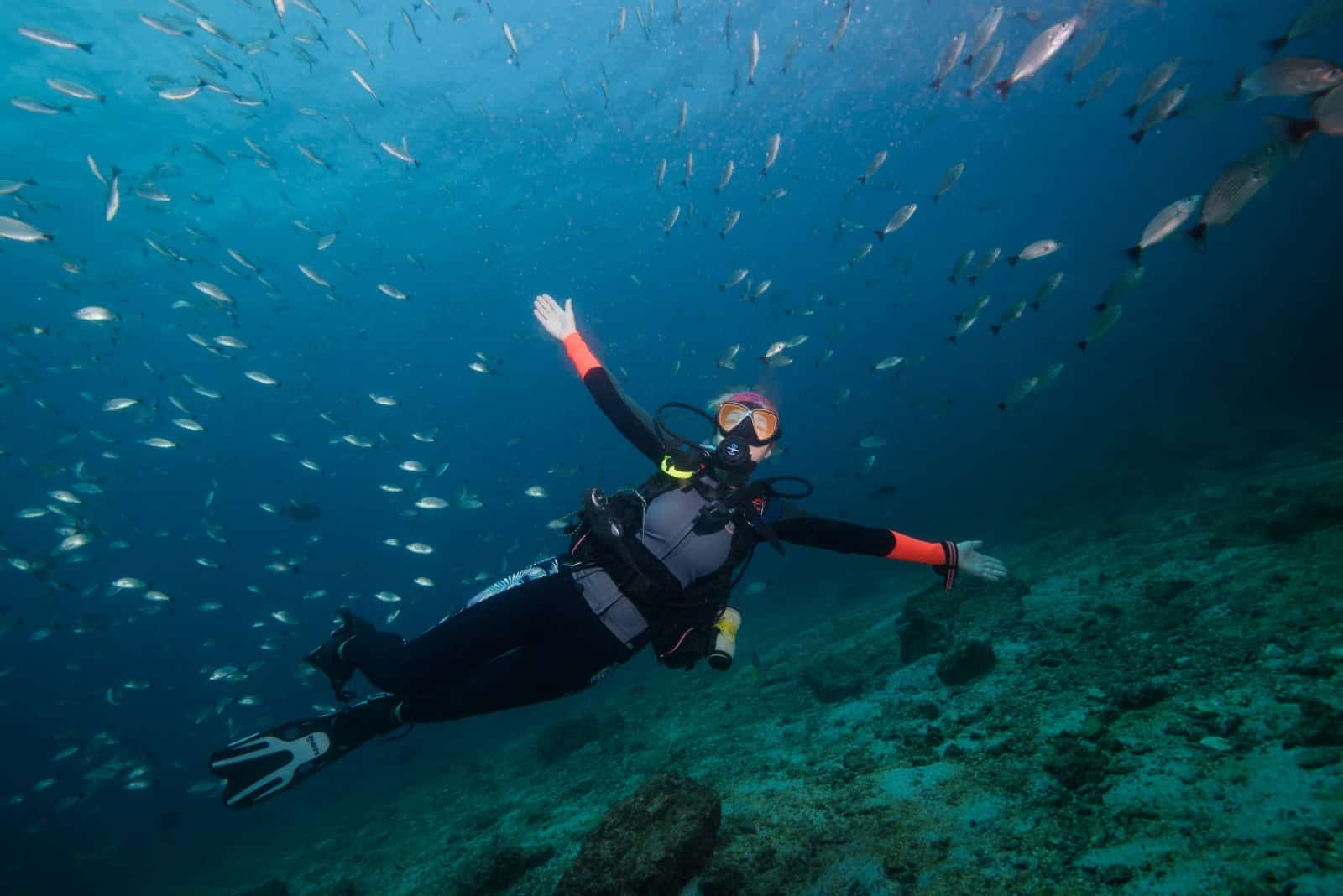 Scuba Diving Catalina IslandsTamarindo, Costa Rica
If the snorkeling is the point, ask for the morning
If you can pick the slot, pick the earlier one. The calmer surface is usually the morning surface, which makes for an easier entry into the water and a kinder hour for anyone in the family who gets seasick.
An early afternoon sail buys you something different and genuinely good: the light, the sunset on the way back in, and a boat that does not require anyone to be awake at six. If that is the day you want, book it in the calmer months, or accept a bouncier ride and dose the seasick child before you leave the room rather than after.
Children, cold water and the swimming question
Small bodies lose heat much faster than adult ones, and 17 to 24 C water is the part of a February boat day that surprises parents. Pack a rash guard at minimum, and a shorty wetsuit if your child is thin or nervous. Most boats carry a few, in a few sizes, which is not the same as carrying one that fits your six year old. Ask when you book.
Nobody has to be a strong swimmer. A snorkel stop with a flotation noodle and an instructor holding on is a perfectly normal way to see a reef, and a good crew will put the hesitant swimmers in the water first, close to the boat, before the confident ones churn it up.

What to ask before you pay
- What time do you leave, and why that time?
- How many people are on the boat when it is full?
- Is there shade and a bathroom?
- Do you carry child sized masks and small snorkel vests?
- What happens if the wind cancels the snorkel stop? Refund, reschedule, or a sail with no swimming?
- Is the price per person or for the boat?
Question five is the one that matters most in wind season, and it is the one people forget to ask.
Where this fits in your week
If you are still choosing a base on this stretch, our guide to where to stay in Playa Flamingo splits the headland, Potrero and Brasilito and says which one needs a rental car. If Flamingo is one option among several, where to stay in Tamarindo compares the strip, Langosta and Playa Grande down the coast.
Tell us your dates and we will tell you the hour
We are Dallas and Marta. We plan Costa Rica trips for a living, and on a boat day in Guanacaste the single most useful thing we can do is tell you which hour of which day to be on the water, and whether the month you have chosen is a cold water month.
Send us a message with your dates, the ages of the children swimming, and whether anyone gets seasick. We will come back with what is sailing, when it leaves, and what the wind usually does to that hour. Pura Vida 🍃
Toorizta is how modern travelers plan, book and share Costa Rica trips. Open the app to build your own.
Open the Toorizta app