Is San Salvador worth a day, or should you go straight to the coast?
A one day plan for the capital, the hours and fees worth checking before you go, and the honest case for sleeping somewhere else.
 Dallas Rogers
The short answer. San Salvador earns one deliberate day, not three. Walk the Centro Histórico in the morning, drive up to the crater rim of the San Salvador volcano at El Boquerón in the afternoon, and eat in San Benito or Santa Tecla in the evening. Then use the city as a base for the Santa Ana crater, Suchitoto and the Pacific. If your trip is five days and surfing is the point of it, sleep at the coast and come in for a single day instead.
 San SalvadorEl Salvador
Should San Salvador get a day at all?
Planning threads about El Salvador keep circling the same line: is the capital worth it, I have not heard great things, maybe I will skip it entirely. It is a fair question, and almost every "best things to do" list answers a different one. They hand you fifteen attractions and leave the actual decision untouched.
The decision is not which museum. It is how many nights the capital gets, and that depends on what kind of trip you are taking. Here is the honest split.
Give the city a day if you want context before the beaches, you like markets and churches and food that locals queue for, or you are using the capital as the hub for day trips inland.
Skip the nights if your trip is short and wave focused. The coast road runs west from the airport, so you can land, drive to the surf, and come back into the city for one day later in the week without ever unpacking in San Salvador. The international airport sits roughly 40 kilometres from the city, per El Salvador's Ministry of Tourism, which is the same order of distance as the nearest surf towns.
One day in the capital, in the order that works
Morning: the Centro Histórico on foot
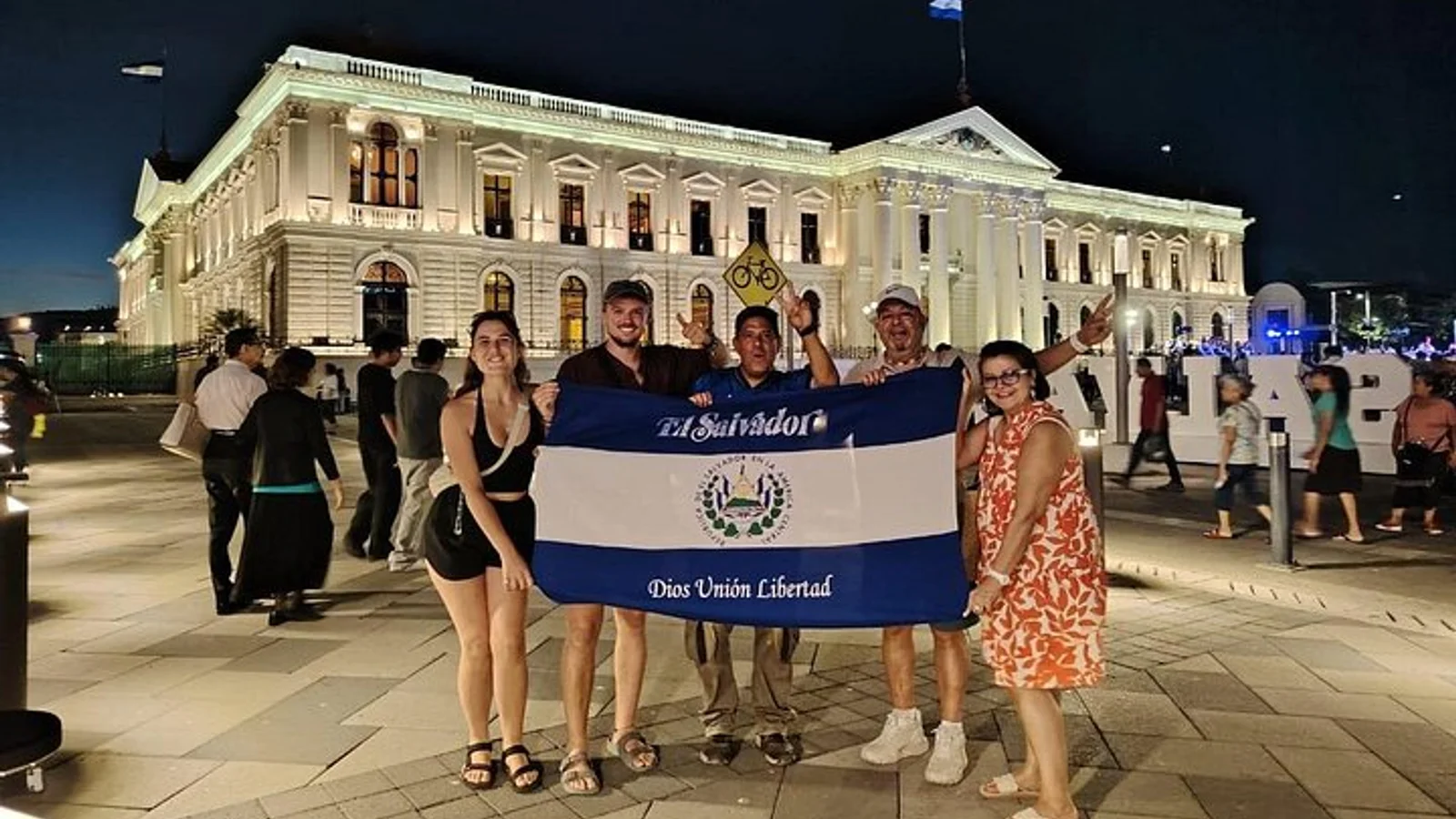
Start downtown while it is cool and the plazas are still waking up. The historic centre has been through a heavy round of renovation, and the Ministry of Tourism now points visitors to the new national library, the Jardín Centroamérica, and a cluster of cafés and restaurants that did not exist a few years ago.
Three buildings are worth your attention more than any list of fifteen:
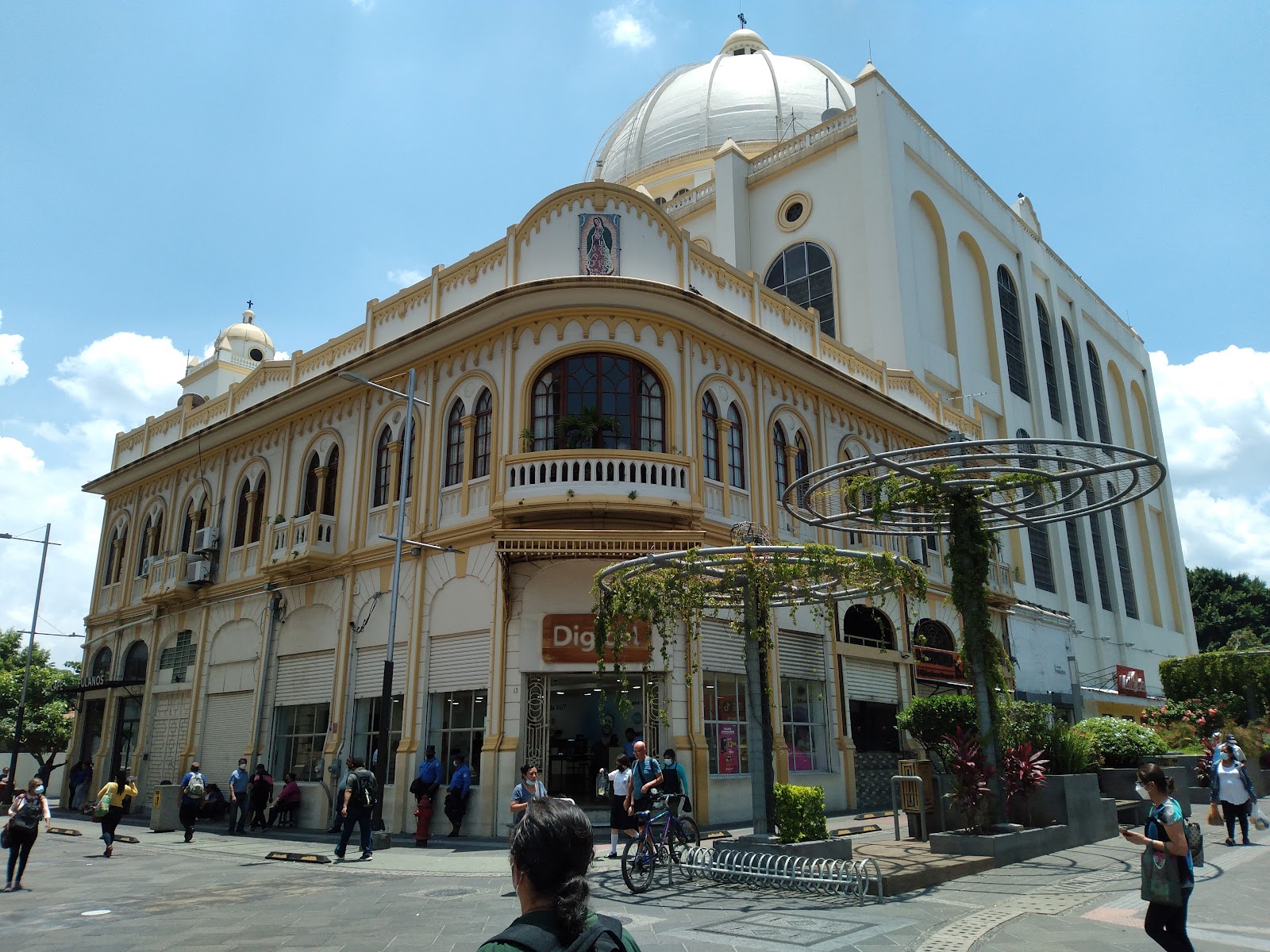
The Metropolitan Cathedral is the main church of the Archdiocese of San Salvador, and the crypt below it holds the tomb of Saint Óscar Arnulfo Romero. Go in quietly. People are praying, not sightseeing.
Catedral Metropolitana de San SalvadorSan Salvador, El SalvadorThe main church of the Catholic Archdiocese of San Salvador, at the heart of the renovated historic downtown. The crypt below the nave holds the tomb of Saint Óscar Arnulfo Romero, which is the reason most visitors come and the reason to come quietly: people are praying here, not sightseeing. It sits within a few minutes' walk of the National Palace, the National Theatre, Plaza Libertad and Plaza Morazán, so it anchors a short morning on foot in the Centro Histórico.Iglesia El Rosario looks like a concrete hangar from the street and stops people in the doorway once they are inside. Light comes through coloured glass the length of the nave, and a minimalist stations of the cross forged in iron and reinforced concrete spirals up toward the risen Christ.
Iglesia El RosarioSan Salvador, El SalvadorA church in the Centro Histórico that reads as plain concrete from the street and changes completely once you are inside. Coloured stained glass runs the length of the nave and fills the interior with shifting light through the day, and a minimalist stations of the cross, forged in iron and reinforced concrete, spirals up toward the risen Christ. El Salvador's Ministry of Tourism lists it among the buildings not to miss downtown and describes it as a jewel of modern architecture. Pair it with the Metropolitan Cathedral and the National Palace on one walking morning, when the plazas are still cool.The National Palace keeps four named halls, the Red, Blue, Pink and Yellow rooms. The Blue Room housed the Legislative Assembly until 1974, and the Pink Room the Supreme Court of Justice until the same year, which makes the building a short course in how the country governed itself.

A guide is worth it here, not for the facts but for the reading of the street: which market lane is fine, which corner to leave alone, what the vendor is actually selling you.
Midday: the crater above the city
El Boquerón National Park sits on the summit of the San Salvador volcano, at roughly 1,950 metres. CORSATUR, the state tourism corporation that administers it, records daytime temperatures of 18 to 22 degrees Celsius up there, dropping to 8 to 12 at night, so take a layer even if the city was sweating when you left. Short paved trails lead to viewpoints over the crater, and on a clear afternoon you can pick out Lake Ilopango on the horizon.
Parque Nacional El BoquerónSan Salvador, El SalvadorThe protected park on the summit of the San Salvador volcano, at roughly 1,950 metres, administered by the state tourism corporation CORSATUR. Short paved trails lead to viewpoints over the crater, with the city below and Lake Ilopango on the horizon when visibility is good, and there is an interpretation centre, toilets and parking. Daytime temperatures run 18 to 22 degrees Celsius and fall to 8 to 12 at night, so a layer matters even on a hot city day. Open 08:00 to 17:00 every day of the year, with no midday closure; entry is $1 for Salvadorans and $2 for foreign visitors, free for children under 8 and senior citizens, plus $1 for a sedan and $2 for a pick up (CORSATUR, read 11 October 2026). Clear mornings and early afternoons give the best chance of a view before cloud builds.| Place | Hours | Entry | Verified against |
|---|---|---|---|
| El Boquerón National Park | 8:00 a.m. to 5:00 p.m., 365 days a year, no midday closure | $2 foreign visitors, $1 Salvadorans, free under 8 and senior citizens, $1 sedan parking | corsatur.gob.sv, read 11 Oct 2026 |
| Museo MARTE (Art Museum of El Salvador) | Thursday to Sunday 10:00 a.m. to 4:00 p.m., Monday 6:00 p.m. to 7:30 p.m. | $5 foreign visitors, $1 Salvadorans, free on Sundays and for students, under 18s and over 60s | museomarte.org, read 11 Oct 2026 |
Those are the only two sets of numbers in this guide that we could confirm at the source, so they are the only two we state. Everything else you read about costs in San Salvador is worth checking on the operator's own page before you budget around it.
Evening: eat where the city eats
Pupusas are the national dish and the easiest meal to get right: thick corn or rice masa stuffed with cheese, beans, chicharrón or loroco, pressed on a comal, served with curtido and a ladle of tomato sauce, eaten with your hands. El Salvador gives them their own national day on the second Sunday of November, which tells you how seriously this is taken.
Then there is the other half of the city. San Benito and the Zona Rosa carry the restaurant and bar scene, and Museo MARTE is in the same neighbourhood on Final Avenida de la Revolución, so an art hour and dinner fit together without a second drive. Santa Tecla's Paseo El Carmen does the walkable version of the same evening.
Museo MARTE (Museo de Arte de El Salvador)San Salvador, El SalvadorEl Salvador's main art museum, on Final Avenida de la Revolución in Colonia San Benito, a short walk from the restaurant and bar district, which makes an art hour and dinner one trip instead of two. Three levels of permanent and temporary exhibitions, a library, guided visits on Saturdays and Sundays during opening hours, and private or school visits by arrangement. Open Thursday to Sunday 10:00 to 16:00 and Monday evenings 18:00 to 19:30; admission $1 for Salvadorans and $5 for foreign visitors, free on Sundays and for students with a valid card, children and visitors over 60 (museomarte.org, read 11 October 2026). The museum publishes its own closure calendar each year, including Semana Santa and the August fiestas agostinas, so check dates before building an itinerary around it.What the capital is really good for
This is the part the attraction lists bury. San Salvador is small enough that the whole middle of the country is a day trip, which is why one night here often beats three nights somewhere prettier but further out.
The Santa Ana crater. El Salvador's highest volcano, Ilamatepec, rises above Cerro Verde National Park, and the hike ends on a rim looking down at a pale green sulphur lake with Izalco and Lake Coatepeque below. Access runs with an authorised guide on the park's own scheduled departures, so it is a morning commitment rather than a spontaneous stop.
Santa Ana Volcano (Ilamatepec)Santa Ana, El SalvadorThe highest volcano in El Salvador at 2,381 metres, rising above Cerro Verde National Park in the Apaneca-Ilamatepec range. The hike to the rim looks down into a pale green sulphur crater lake, with the cone of Izalco and the blue bowl of Lake Coatepeque below. Access is from inside Cerro Verde National Park with an authorised guide, on departures scheduled by the park, so it is a morning commitment. Clear mornings give the best chance of a view before cloud builds.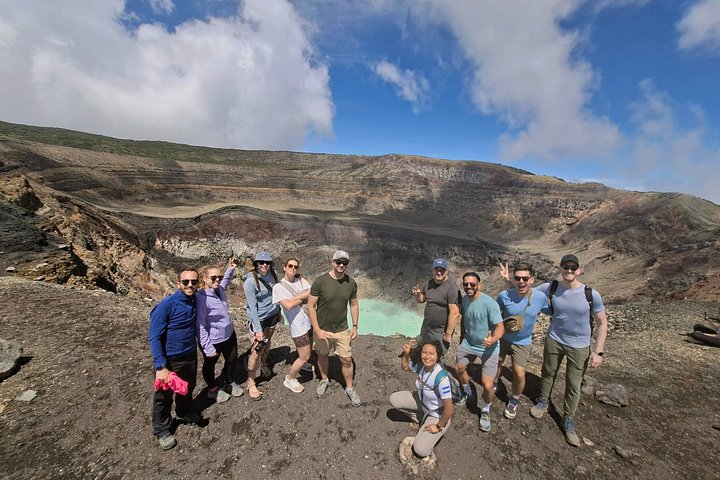 From San Salvador: Best Santa Ana Volcano Tour & Lake CoatepequeSan Salvador, El Salvador
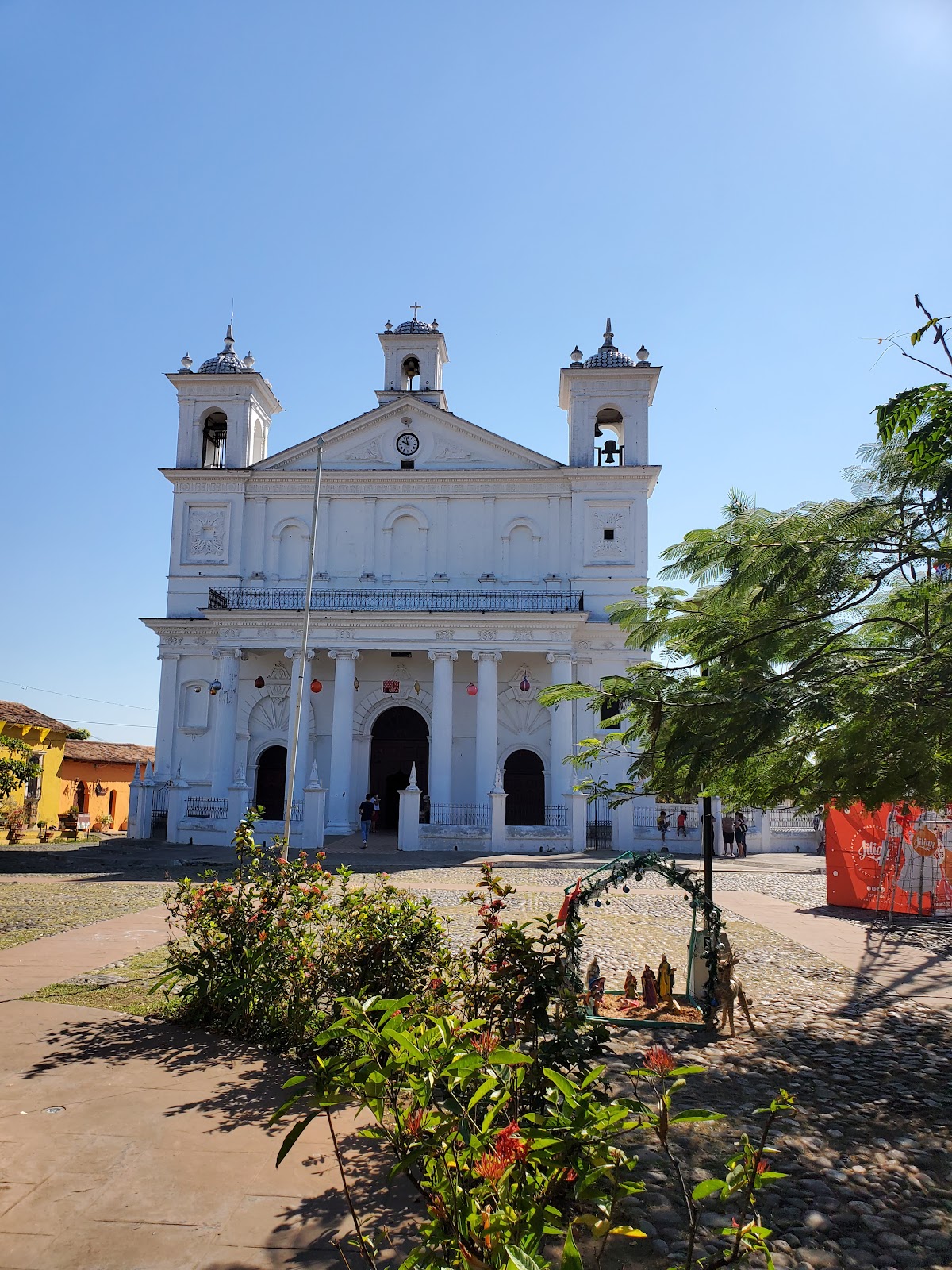
Suchitoto. Cobbled streets above a reservoir, the country's first capital, and the slowest afternoon available within a couple of hours of the city.

 SuchitotoEl Salvador
Joya de Cerén. A Maya farming village buried by the eruption of the Loma Caldera volcano around AD 650, found by accident in 1976 and declared World Heritage in 1993. The Ministry of Tourism calls it the Pompeii of America, and the reason it matters is unglamorous: most Maya sites preserve temples, this one preserved everyday life, down to domestic utensils now shown in the site museum. It sits in San Juan Opico, in the department of La Libertad.

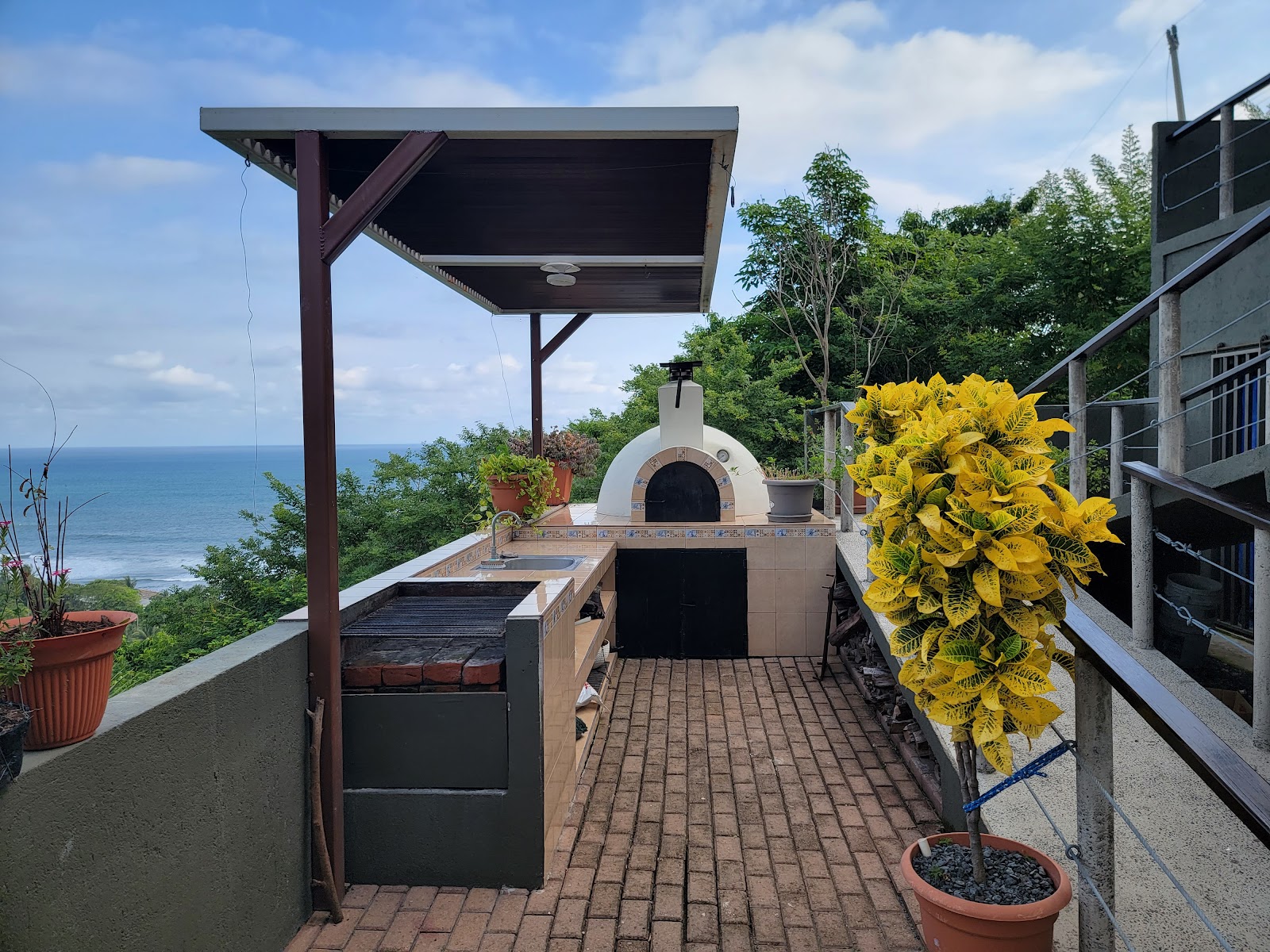
The Pacific. El Tunco and the Surf City coast are close enough that people who live in the capital treat them as a weekend, not a trip.
 El TuncoEl Salvador
Before you lock the dates
Two weeks close things. Museo MARTE publishes its own closure calendar, and for 2026 it includes 30 March to 5 April for Semana Santa and 3 to 9 August for the fiestas agostinas, the capital's own August festival week. Those two weeks move the whole country, not just one museum. They are wonderful to be here for and difficult to be here for, and either way you want to know in advance.
Mornings are the clear part of the day. Up on the crater rim and on Santa Ana, cloud tends to build as the day warms. Early starts here are not about beating crowds, they are about seeing anything at all.
On safety, the useful answer is a current one. El Salvador's reputation is changing faster than the advice travellers pass around in forums, in both directions. Read your own government's travel advice while you are planning rather than a thread from three years ago, decide where you sleep with care, and treat the capital the way you would treat any large city after dark.
The question we would actually ask you
Not "what do you want to see in San Salvador" but "what would make you regret this trip". People who answer that honestly usually find the capital is one good day inside a better route, or occasionally the whole point, because they came for food and history and nobody told them that was on offer.
Tell us your dates, who is travelling, and the one thing you do not want to miss. We will tell you whether the capital deserves your day, and what it costs you if we are wrong.
Toorizta is how modern travelers plan, book and share Costa Rica trips. Open the app to build your own.
Open the Toorizta app