Traveling to Costa Rica in the Low Season: What to Expect
Costa Rica • Travel Tips Traveling to Costa Rica in the Low Season (September–November) Thinking about a Costa Rica trip during low/off season—September, October, or November? Here’s what weather to expect, the real pros & cons, where
 Dallas Rogers
Costa Rica • Travel Tips
Traveling to Costa Rica in the Low Season (September–November)
Thinking about a Costa Rica trip during low/off season—September, October, or November? Here’s what weather to expect, the real pros & cons, where to go (and avoid), and how Toorizta can craft the best rainy-season itinerary for you.

Talk to a Travel Advisor See Manuel Antonio Experiences
In this guide
- Weather: Sept–Nov at a glance
- Pros & cons of the low season
- Best places to visit
- Places to approach carefully
- How Toorizta makes it easy
- Low-season FAQs
Weather: September, October & November — what to expect
On the Pacific side, September–October brings the heaviest rains—often sunny mornings followed by afternoon downpours. By November, conditions begin transitioning to the dry season. Meanwhile, the Caribbean coast (e.g., Puerto Viejo) often enjoys one of its brighter windows in Sept–Oct thanks to different weather patterns.
Tip: Book your outdoor tours early in the morning. Keep afternoons flexible for hot springs, spa time, or wildlife viewing from covered areas.
For climate context, see Costa Rica’s national meteorological service (IMN) and national park info via SINAC.

Arenal often sees sunny mornings, clouds by afternoon. Plan activities early.
Pros & Cons of Traveling Costa Rica in the Low/Off Season
Pros
- Lower prices on hotels, tours, and private transfers.
- Fewer crowds—quieter trails and beaches for a more personal experience.
- Authentic vibe as locals go about daily life without peak-season rush.
- Wild, lush landscapes with active rivers and vibrant green forests.
Cons
- Heavier rains can cause muddy trails or occasional cancellations.
- Seasonal closures in some Pacific beach towns (restaurants, surf schools, tours).
- Limited choices in dining/activities where fewer businesses remain open.
Best Places to Visit (Sept–Nov)
Puerto Viejo (Caribbean Coast) — sunny window in Sept–Oct
When the Pacific is wetter, the Caribbean often shines. Expect better beach weather, reggae vibes, and Afro-Caribbean cuisine. Browse ideas and custom stays via our Puerto Viejo search.
Ask a Travel Advisor Less rain window

Puerto Viejo’s microclimate often favors Sept–Oct beach time.
Arenal / La Fortuna — hot springs & adventure
A year-round winner. Even with rain, hot springs, waterfalls, ziplining, rafting, and canyoning keep the excitement going. See Arenal adventures.
Monteverde — magical cloud forest
Misty trails, hanging bridges, and rich biodiversity. Trails are quieter and wildlife is active. Discover Monteverde experiences.
Manuel Antonio — great pick if the weather cooperates
Even with rain, Manuel Antonio remains lively: national park wildlife, waterfalls, cooking classes, night walks, and boat tours & sunset sails. We’ll help time park visits for the driest windows.

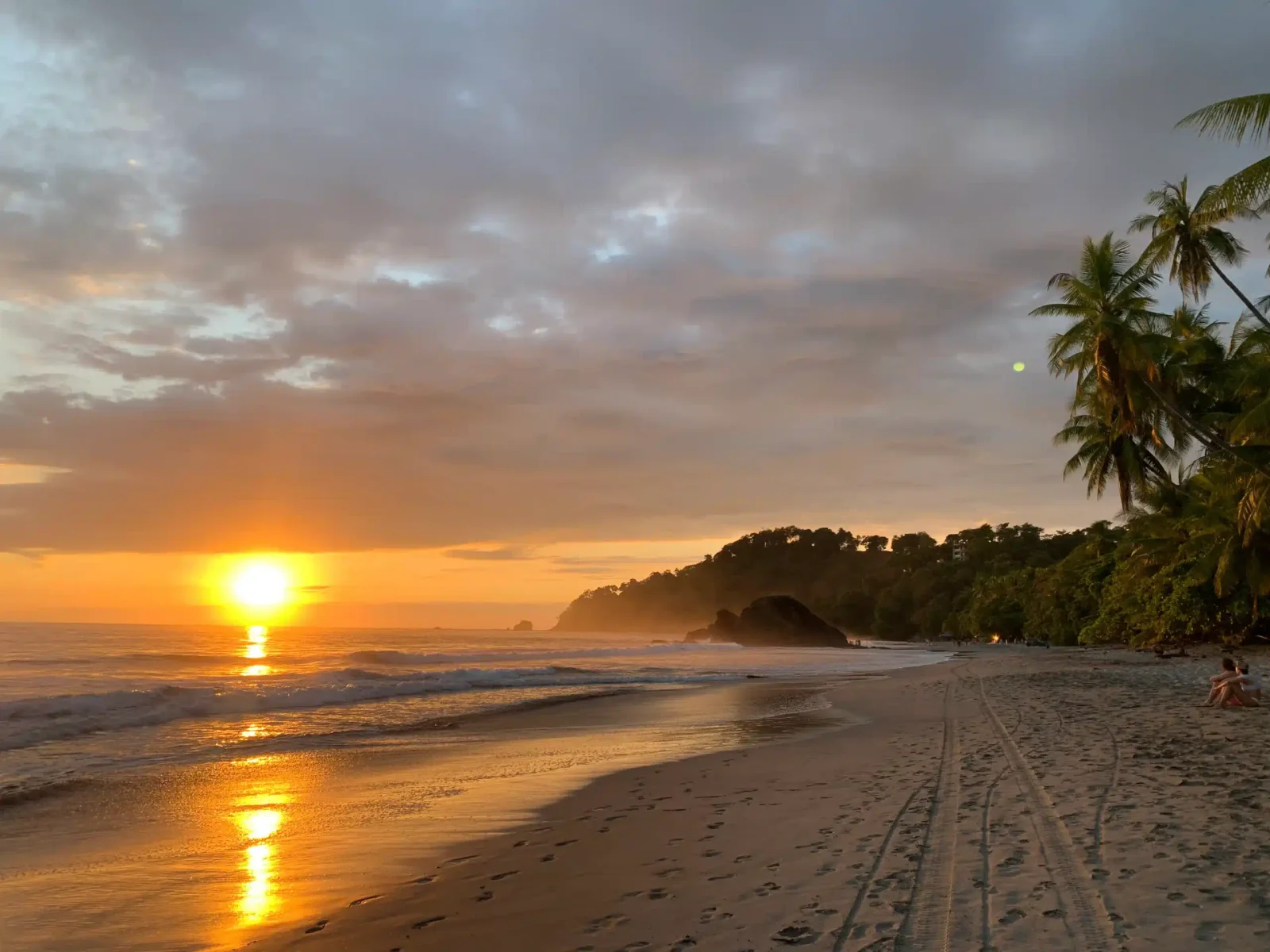
Quiet beaches + abundant wildlife, even in the rainy months.
Places to Approach Carefully in Sept–Oct
Nosara, Santa Teresa & Montezuma
These Pacific beach towns can see seasonal closures (many eateries and tour ops take a break), and roads can be affected by heavy rain. If they’re on your must-see list, let’s check what’s open and plan around weather windows.
Check what’s open Private shuttles
Why Using Toorizta Helps in the Low Season
- Smart routing by microclimate (e.g., Caribbean window vs. Pacific rain).
- We verify what’s open (tours, restaurants, road conditions) for your exact dates.
- Flexible itineraries that still guarantee great days, even if an afternoon pours.
- Hand-picked operators who run safely rain or shine, with fair policies.
Talk to a Travel Advisor Browse Arenal Browse Monteverde Browse Manuel Antonio
Low-Season FAQs
Is the low season a good time to visit Costa Rica?
Yes—if you like fewer crowds, lower prices, and lush landscapes. Sept–Nov brings more Pacific rain, but it’s calmer, authentic, and great when planned well.
What’s the weather like in September, October, and November?
Expect sunny mornings with afternoon downpours on the Pacific. The Caribbean (e.g., Puerto Viejo) is typically drier in Sept–Oct. November transitions toward the dry season.
Which regions are best during the off season?
Puerto Viejo (often drier in Sept–Oct), Arenal/La Fortuna, Monteverde, and sometimes Manuel Antonio with good timing.
Do I need to book tours in advance?
Yes—choose operators that stay open and have flexible policies. We’ll steer you to reliable tours that run rain or shine.
What should I pack?
Quick-dry clothing, compact rain jacket, waterproof footwear, dry bags, insect repellent, and a power bank.
Ready to experience an authentic, better-priced Costa Rica—rain and all?
×
Talk to a Travel Advisor
Choose how you’d like to reach us. We reply fast (EN/ES).
Prefer a call? Tell us your number in the message.
Toorizta is how modern travelers plan, book and share Costa Rica trips. Open the app to build your own.
Open the Toorizta app