
What Is a Travel Itinerary Planner for Trips?
What is a travel itinerary planner? Learn how it brings stays, transportation, activities, bookings, and shareable memories into one complete trip plan.
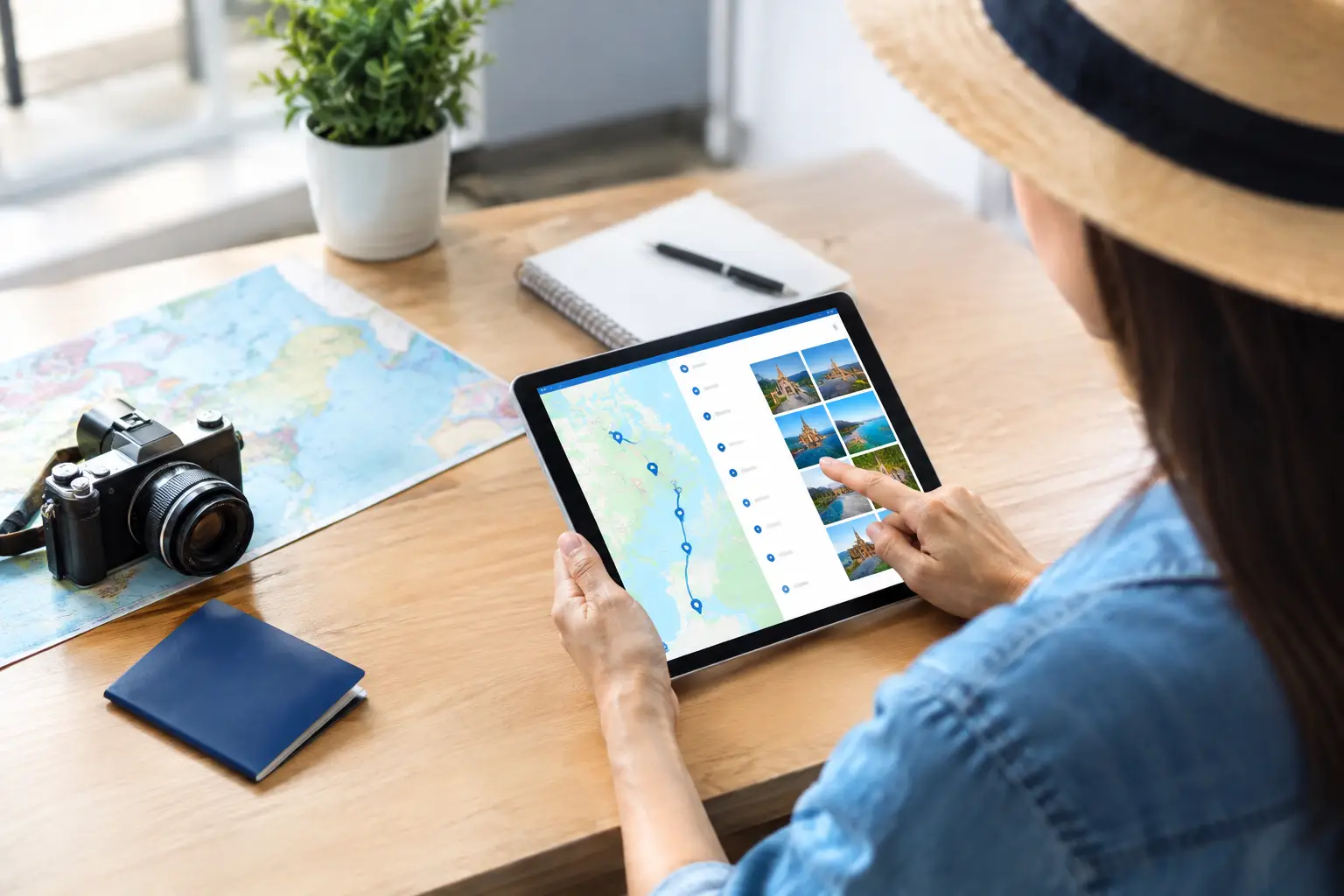
A weekend in Miami can start with a saved beach hotel, a late-afternoon food tour, and a flight confirmation sitting in three different apps. Add airport transportation, restaurant ideas, and a friend’s must-see list, and the trip can feel scattered before you have even packed. So, what is a travel itinerary planner? It is a tool that brings the moving parts of a trip into one organized plan, helping you decide what to do, keep reservations in order, and make the most of your time away.
For travelers who want more than a folder of screenshots, an itinerary planner turns travel research into a usable schedule. It connects the inspiration stage with the practical details: where you are staying, how you are getting around, what you have booked, and what you still want to explore.
What Is a Travel Itinerary Planner?
A travel itinerary planner is a digital tool, app, or platform used to organize a trip by date, location, and activity. At its simplest, it creates a day-by-day view of your plans. At its most useful, it combines destination discovery, travel bookings, confirmation details, maps, and shared trip notes in one place.
Think of it as your trip’s command center. Instead of jumping between airline emails, hotel apps, saved social posts, and group-chat messages, you can see the plan as one connected experience. A good planner makes it easier to move from “We should do this” to “This is booked for Saturday at 2 p.m.”
The level of detail is up to you. A solo traveler may use an itinerary planner to keep a flexible list of neighborhoods, coffee shops, and hiking trails. A family might build timed days around hotel check-in, attraction tickets, meal breaks, and transportation. For a group trip, a shared itinerary gives everyone one version of the plan instead of five competing spreadsheets.
What a Travel Itinerary Planner Can Organize
An itinerary is more than a schedule of attractions. It should account for the details that shape whether a day feels easy or rushed. Most travelers use a planner to organize several core parts of a trip:
- Transportation, including flights, train rides, rental cars, airport transfers, and driving times
- Accommodations, with check-in details, addresses, reservation numbers, and nearby ideas
- Activities, such as tours, museum tickets, beach days, reservations, and free time
- Daily timing, including travel buffers, opening hours, meal stops, and realistic pacing
- Trip notes and memories, from packing reminders and local tips to photos and highlights worth sharing
Putting these details together reveals things that separate bookings cannot. You may notice that your hotel is 45 minutes from the tour you booked, that an activity ends too late for your dinner reservation, or that you have accidentally planned three major attractions for the same afternoon. Those are useful discoveries to make before the trip, not from the back seat of a rideshare.
Why Travelers Use One
The biggest benefit is clarity. Planning a trip usually begins with inspiration: a friend’s post, a short video, a landmark, or a hotel with a great view. But inspiration alone does not create a workable trip. You need to know whether an experience fits your dates, budget, location, and energy level.
An itinerary planner helps you make those decisions in context. When you place an activity on a specific day, you can see what sits before and after it. When you add a hotel, you can plan around its location. When you confirm a flight, you can avoid booking an early tour on the morning you land.
It also reduces the small but constant friction of travel. You do not need to search your inbox for a hotel address while checking out of the airport. You do not have to remember which friend found the sunset cruise or where the ticket confirmation was saved. The information is ready when you need it.
For many travelers, the planner also makes room for spontaneity. That may sound backwards, but a clear plan shows where you have open time. If Saturday morning is intentionally free, you can follow a local recommendation, linger over brunch, or spend another hour at the beach without wondering what you are forgetting.
Itinerary Planner vs. Booking Site vs. Spreadsheet
These tools can overlap, but they solve different problems.
A booking site helps you reserve a flight, hotel, transportation option, or activity. It is useful for completing a transaction, but your reservations may remain separated by category or provider. A spreadsheet gives you plenty of control, especially for budgets or complex group plans, but it takes time to build and maintain. It also does not automatically connect travel ideas with bookable options.
A travel itinerary planner sits in the middle of the action. It helps you organize decisions before booking, track details after booking, and view the trip as a whole. The best platforms go further by letting you discover destinations and experiences, book key travel services, arrange them into an itinerary, and share the finished adventure.
There is no single right setup for every trip. A simple overnight getaway may only need a hotel confirmation and a short list of ideas. A two-week international trip with multiple cities, transfers, and reservations benefits from much more structure. The goal is not to schedule every minute. It is to keep the essentials visible and make confident choices.
How to Build an Itinerary That Still Feels Like a Vacation
Start with fixed details. Add your travel dates, arrival and departure times, accommodations, and anything already booked. These are the anchors around which the rest of the trip will take shape.
Next, group your ideas by area rather than trying to rank everything at once. If you are visiting New York City, keep Lower Manhattan plans together, save Central Park and museum ideas for another day, and avoid crossing the city repeatedly for single stops. Location-based planning cuts down on transit time and creates a more natural flow.
Then choose one or two priorities per day. A priority might be a guided tour, a national park hike, a show, or a special dinner. Fill the remaining time with flexible options nearby. This approach protects the experiences you care about without turning your vacation into a race against the clock.
Build in realistic buffers. Flights run late, lines happen, and a beautiful neighborhood often deserves more time than expected. Allow extra time around airport arrivals, hotel check-ins, popular attractions, and transportation between areas. If you are traveling with kids, older relatives, or a large group, add even more breathing room.
Finally, share the plan with the people traveling with you. A shared itinerary gives everyone access to key details and helps the group make decisions before they are standing on a busy sidewalk. It does not mean every traveler has to follow the same schedule. It simply gives everyone a clear starting point.
Features That Matter Most
The most useful itinerary planners are easy to update. Travel plans change, sometimes because a flight shifts by 30 minutes and sometimes because you find a better experience after arriving. Look for a planner that lets you adjust dates, reorder activities, and keep booking details attached to the right part of the trip.
A visual day-by-day layout is valuable because it shows the rhythm of your trip at a glance. Map views can help you spot inefficient routes, while booking access keeps you from switching between multiple services when you are ready to reserve. Collaborative planning matters for couples, families, and friend groups who want to contribute ideas without losing track of the final plan.
The ability to save and share completed trips adds another dimension. Your itinerary can become more than a temporary checklist. It can preserve the places you loved, the route you took, and the experiences that made the trip yours. That is especially useful when you are planning a return visit or inspiring someone else’s next adventure.
Plan, Book, and Share in One Place
A travel itinerary planner works best when it supports the full trip, not just one stage of it. You should be able to discover an idea, see how it fits your schedule, reserve what you need, and keep the details organized afterward. That is the connected approach behind Toorizta: plan the adventure, book the pieces that make it happen, and share the moments worth remembering.
Your next trip does not need an overloaded spreadsheet or a phone full of disconnected confirmations. Start with the places that excite you, organize the essentials around them, and leave enough room for the unexpected. The best itinerary is not the busiest one. It is the one that gives you more time to actually enjoy where you are.