
How a Solo Travel Itinerary Planner Works
Build a solo travel itinerary planner that balances freedom, safety, and great experiences. Organize stays, transit, tours, and time to explore your way.
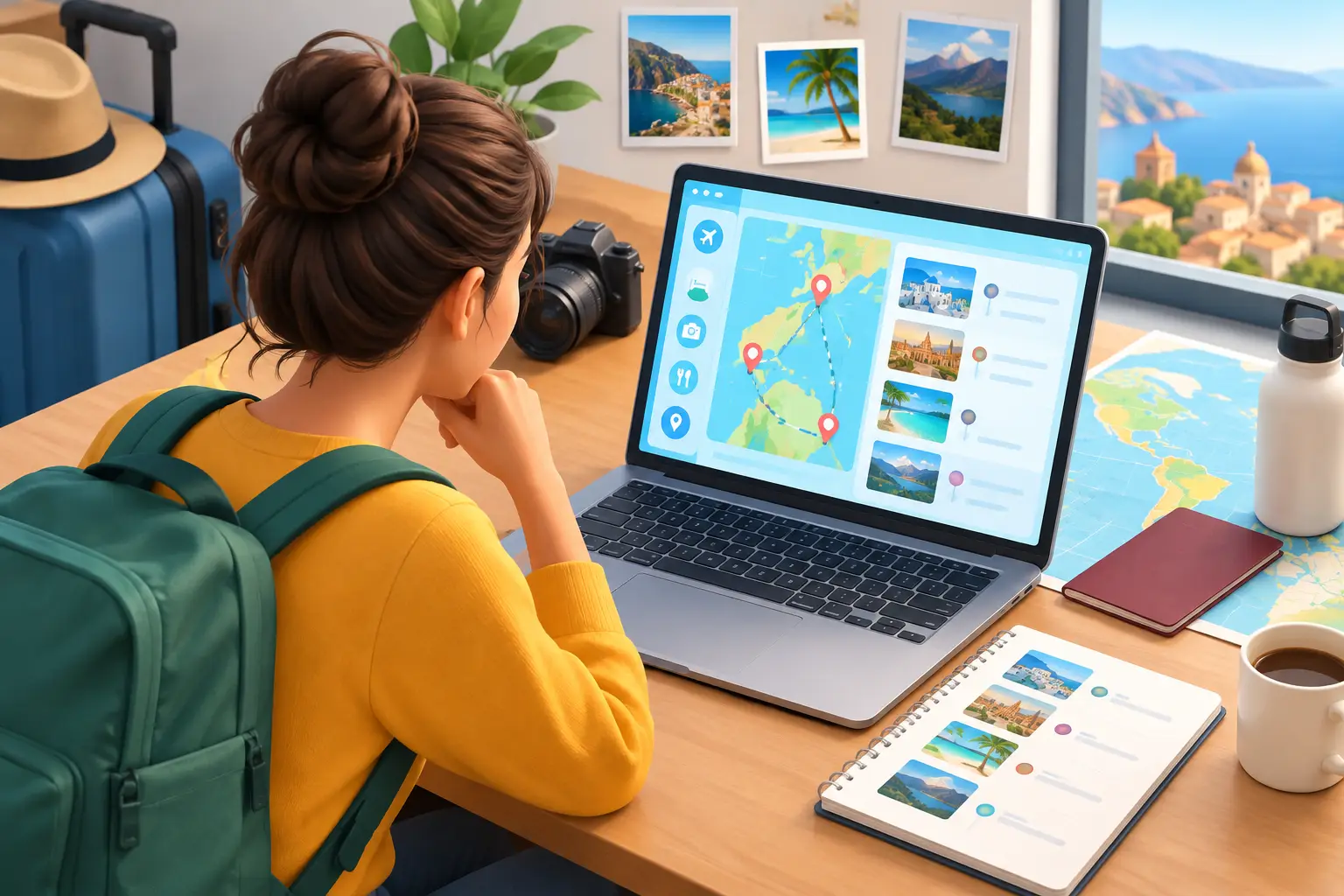
The best solo trips rarely follow a minute-by-minute script. They start with a clear place to sleep, a confident route from the airport, and enough structure to make spontaneous plans feel exciting instead of stressful. A solo travel itinerary planner helps you organize those essentials before you go, so you can spend less time searching and more time discovering.
Planning alone gives you a major advantage: every decision is yours. You can book the early food tour, skip the crowded museum, linger over coffee, or change neighborhoods without negotiating with anyone. The goal is not to fill every hour. It is to build a trip that gives you freedom without leaving key details to chance.
Start Your Solo Travel Itinerary Planner With Priorities
Before comparing hotels or saving dozens of restaurants, decide what this trip needs to feel successful. A first solo international trip may call for direct transportation, a central hotel, and a few guided activities. A familiar city or weekend getaway may leave more room for last-minute choices.
Choose two or three priorities that will guide the rest of your plan. They might be local food, outdoor time, art, nightlife, rest, or meeting other travelers. This keeps your itinerary focused when every destination offers more than you can realistically do.
Also set the pace early. Many solo travelers underestimate how much energy goes into navigating, checking in, carrying bags, and making small decisions all day. One major activity per day is often enough, especially on arrival day. Add a flexible option nearby rather than building a schedule that collapses when a train runs late or a great conversation changes your plans.
Build Around Fixed Bookings First
Your flight or train, accommodations, and any timed tours are the anchors of the trip. Add them to your itinerary before planning attractions, meals, or shopping. Include confirmation details, check-in windows, addresses, and the transportation needed to reach each booking.
This simple order prevents a common planning mistake: reserving an appealing activity across town immediately after landing, then realizing the airport transfer and hotel check-in make it impractical. It also helps you spot costly gaps, such as a late arrival with no clear route to your stay.
A connected planning platform like Toorizta makes this easier by keeping destination inspiration, reservations, and itinerary details in one place. Instead of jumping among tabs to find a booking number or hotel address, you can organize the parts of your trip around the experience you want to have.
Choose a Stay That Makes Solo Travel Easier
For solo travelers, location is often worth more than an extra amenity. A lower-priced room far from the neighborhoods you want to explore can cost you in transit time, rides, and missed opportunities. Look for accommodations near reliable public transportation, walkable dining, and the activities you have already prioritized.
Read recent guest feedback with your actual arrival and departure times in mind. Is the entrance easy to find after dark? Is luggage storage available? Does the area feel active and comfortable when you return from dinner? A property can look perfect in photos but create unnecessary friction if check-in is complicated or transit options are limited.
Your preferred lodging style depends on the trip. A hotel may offer privacy, a front desk, and a predictable place to recharge. A hostel can make it easier to meet people, particularly when it hosts group meals or walking tours. A rental may provide more space and a neighborhood feel. There is no universal best option. Pick the one that supports your comfort level and travel style.
Plan Transportation Like a Local, Not a Guess
Transportation is where a well-organized solo itinerary pays off quickly. Map the route from the airport or station to your accommodation before departure, including what you will do if your flight is delayed. Save the address in a format you can show a driver, and know whether the local transit system requires a reloadable card, mobile ticket, or cash.
For each day, group plans by neighborhood. Visiting three landmarks may sound efficient, but not if they are spread across opposite ends of a city. A better day pairs a morning museum with a nearby lunch, an afternoon walk, and an evening reservation in the same area.
Leave room between locations. Google Maps estimates are useful, but they do not account for figuring out the correct exit, stopping for photos, or realizing a street market deserves an extra hour. Solo travel is more enjoyable when you can follow your curiosity without watching the clock.
If you are renting a car, be honest about the trade-off. A car can open up national parks, smaller towns, and coastal routes. In a dense city, it can also add parking costs, navigation stress, and restrictions you did not plan for. Book the transportation that matches the destination, not the version of the trip that looks best on social media.
Add Experiences That Create Connection
Solo does not have to mean isolated. Book one or two experiences where conversation happens naturally, such as a food tour, cooking class, guided hike, small-group day trip, or neighborhood walk. These activities can introduce you to a destination with local context while giving you a low-pressure way to meet people.
Avoid booking every experience in advance. Tours can be valuable when they provide access, knowledge, or logistics you would not get alone. But an itinerary packed with fixed tickets can make you feel like you are racing through someone else's vacation. Save at least one open afternoon and one open evening for a recommendation you find along the way.
When choosing activities, consider the practical details. Confirm the meeting point, duration, included transportation, and cancellation policy. A sunset tour may be memorable, but it is less appealing if it ends far from your hotel with no plan for getting back. Smart planning protects your time without making your trip feel overmanaged.
Build Safety Into the Plan Without Shrinking It
A solo travel itinerary should support confidence, not create fear. Share your core travel details with someone you trust, including your accommodation, transportation schedule, and a general plan for each day. Keep digital copies of your passport, insurance information, and essential reservations in a secure place, and carry a backup payment option separately from your main wallet.
On arrival, take a few minutes to orient yourself. Identify the nearest transit stop, pharmacy, grocery store, and well-lit route back to your accommodation. If a situation feels off, leave. You do not need to be polite to a stranger, remain in an uncomfortable venue, or keep a plan that no longer feels right.
Your itinerary should also include rest. Travel days, time changes, crowded streets, and constant decision-making can add up. Schedule a slower morning, a familiar meal, or an hour at your hotel between activities. Being independent does not mean pushing through exhaustion.
Keep Your Itinerary Flexible and Useful on the Go
A good plan is easy to check from your phone while you are standing outside a train station. Keep the essentials visible: reservation times, addresses, confirmation numbers, transit notes, and a short list of nearby options. Long paragraphs of research are harder to use than a clear daily outline.
For each day, organize plans in three layers. Start with the must-do booking or destination, add one or two nearby choices, then keep a backup for bad weather, low energy, or changed hours. This approach gives you direction without making one delayed reservation ruin the day.
A practical solo travel itinerary planner should include these five essentials:
- Arrival and departure transportation, with enough time for delays
- Accommodation details and check-in instructions
- Confirmed reservations for tours, transit, and key experiences
- Flexible neighborhood-based ideas for open time
- Emergency contacts, backup payment details, and travel documents
Review your plan the night before, not just once before leaving home. Check weather, opening hours, transit disruptions, and how you feel. The best change may be swapping a packed sightseeing day for a local market and a long lunch.
Make Space to Remember and Share the Trip
Your itinerary does not end when you check out. Save favorite places, note the route that surprised you, and capture the moments that made the trip yours. A photo of a famous landmark is great, but so is the bakery you found after getting lost or the view from the train you nearly missed.
Sharing a completed trip can help future travelers plan with more confidence, especially when you include practical details alongside the highlights. What neighborhood worked? Which experience was worth booking? Where would you leave more time next visit? Those insights turn a personal adventure into useful inspiration for someone else.
Leave your final day lighter than you think you need. Give yourself time for a last walk, an unplanned stop, and the small satisfaction of realizing you built a trip around your own choices. That is what makes solo travel worth planning for.