
Destination Discovery That Leads to Real Trips
Destination discovery helps you turn travel inspiration into a workable plan, with places to stay, things to do, and routes you can book with confidence.
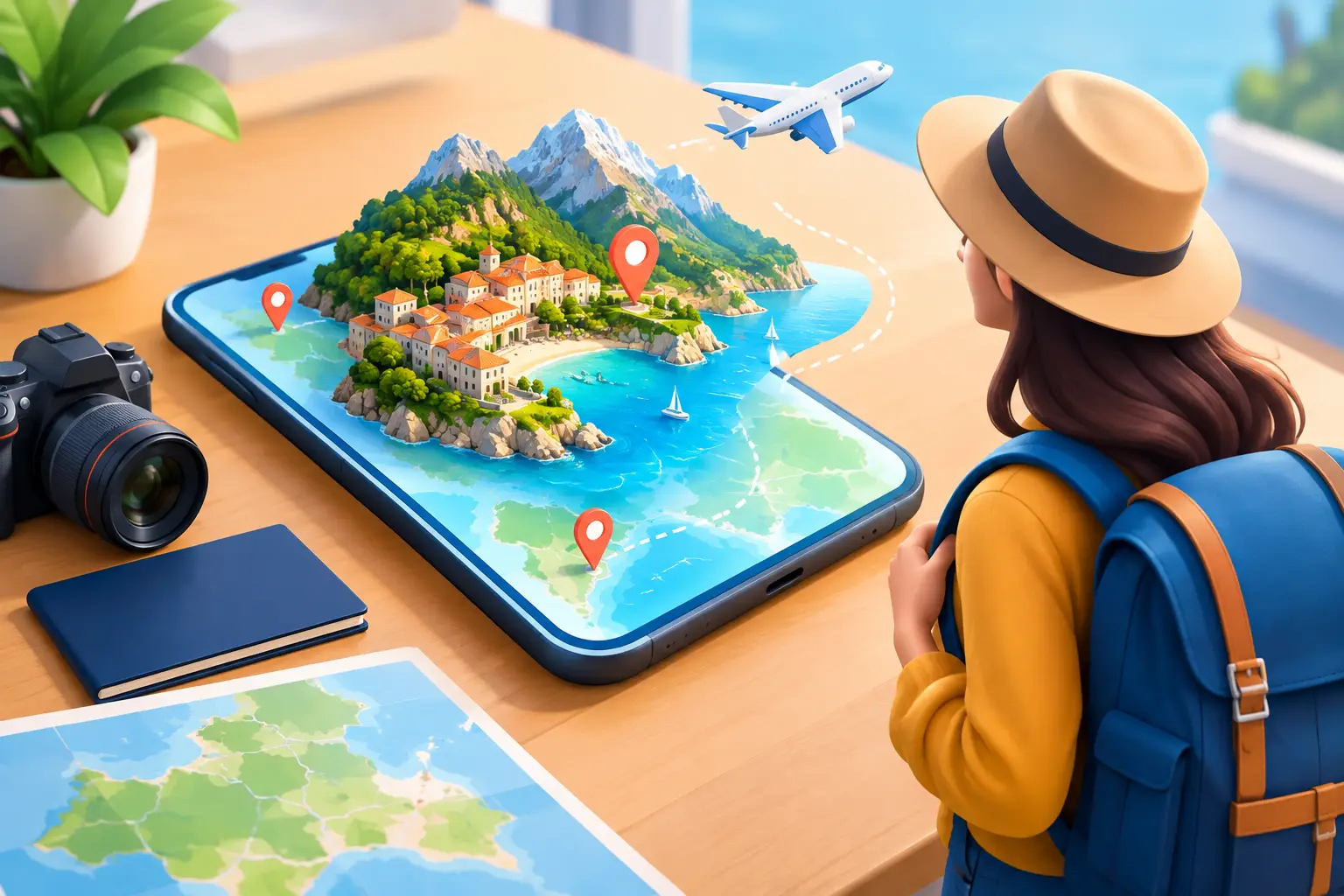
A saved video of a cliffside hotel, a friend's food photos, or a cheap flight alert can spark a trip in seconds. The harder part is destination discovery: turning that first spark into a place that fits your time, budget, travel style, and the people going with you.
Great trips rarely start with a perfect answer. They start with a useful direction, then gain shape as you compare neighborhoods, experiences, travel times, and practical details. When inspiration and booking live in the same planning flow, you can move from “that looks amazing” to “we're actually going” without losing momentum.
Why destination discovery is more than picking a place
Choosing a destination is not just choosing a dot on a map. You are choosing a pace, a set of experiences, a transportation plan, and a version of your limited vacation time. A beach town may be right for a long weekend with friends but wrong for a family looking for museums and easy day trips. A major city can offer nonstop options, while a smaller destination may deliver the quiet, local feel you want.
That is why the best discovery process starts with context instead of a generic “best places to visit” list. Ask what you want the trip to feel like. Fast-paced or unhurried? Food-focused or outdoors-heavy? Built around one special event or open to wandering? A clear answer filters out destinations that look good online but do not work in real life.
Travelers also need to balance aspiration with access. A dream destination is more useful when you can see whether flights, stays, tours, and local transportation fit together. Inspiration should open possibilities, not create another tab-filled research project.
Start with the trip shape, not the destination name
Before searching for places, set a few boundaries. Your available dates, departure city, budget range, and trip length will quickly reveal what is realistic. A four-day break from Chicago creates a different set of options than a two-week trip from Los Angeles.
Then choose the experiences that matter most. For a couple, that might mean a walkable neighborhood, standout restaurants, and one memorable excursion. For a group, it could mean shared lodging, nightlife, and activities that do not require everyone to follow the same schedule. For a solo traveler, safety, transit, and opportunities to join local tours may carry more weight.
You do not need a rigid checklist. In fact, too many requirements can make every option seem imperfect. Pick two or three priorities and one or two deal-breakers. Maybe you want warm water, direct flights, and a hotel near restaurants, but you will not rent a car. That is enough to guide smarter searching.
Let the season influence the plan
A destination can change dramatically by month. Weather, crowd levels, daylight, festivals, and pricing all affect the experience. Visiting a popular national park in shoulder season may mean cooler temperatures and fewer crowds. Booking a beach escape during peak holiday weeks may bring more energy, but also higher prices and less availability.
The right choice depends on what you value. If your trip centers on a specific event, book around it. If flexibility matters more, search a wider date range and compare destinations that offer a similar experience. You may find that the feeling you wanted is available somewhere easier to reach or better suited to your budget.
Use destination discovery signals that matter
Beautiful photos earn attention, but they should not make the final decision alone. Look for signals that connect the destination to the trip you want to take: how long it takes to get there, where visitors stay, what people do beyond the headline attraction, and whether the experience is bookable during your dates.
Traveler-created itineraries and shared trip highlights can be especially useful here. They show how a destination works across a full day or weekend, not just in a single polished image. You can see whether travelers paired a historic district with a food tour, a coastal hotel with a boat trip, or a city stay with a nearby day excursion.
Pay attention to patterns rather than copying someone else's plan exactly. If multiple travelers highlight the same neighborhood as a base, it may be a practical place to stay. If a must-do activity needs advance reservations, make it part of your decision early. If every promising itinerary requires a rental car, decide whether that adds freedom or friction for your group.
Move from inspiration to a bookable plan
The most exciting moment in planning is often when an idea becomes specific. You have found a destination that matches your travel style, and now you can test whether the pieces work together.
Start with transportation and lodging because they establish the framework. Arrival and departure times affect how much of the first and last day you can use. Hotel location affects whether you will spend your trip walking, riding, or waiting in traffic. A lower nightly rate farther from the action can cost more in time and transportation, especially on a short trip.
Next, add the experiences that made you interested in the destination in the first place. If a guided tour, attraction, class, or outdoor activity is central to the trip, check availability before building everything around it. This is where scattered planning often breaks down: the hotel is booked, but the tour is sold out, or the activity is two hours from where you are staying.
An integrated platform such as Toorizta helps keep these choices connected. You can discover a place, compare the services that make the trip possible, organize them in one plan, and keep the experience ready to share after you return.
Build an itinerary with room to breathe
A useful itinerary is a flexible guide, not a minute-by-minute test of endurance. Give each day a natural anchor, such as a neighborhood, a reservation, a tour, or an outdoor activity. Then leave open time around it for meals, unexpected stops, and the simple pleasure of being somewhere new.
For example, if you book a morning museum visit, keep the afternoon in that part of the city rather than crossing town for a rushed lunch reservation. If you plan a full-day hike, avoid stacking it with an early dinner across the destination. Grouping activities by location helps you experience more while feeling less scheduled.
It also helps to plan for different energy levels. A friend group may want one late night and one slower morning. Families may need easy meal options and built-in breaks. Couples may prefer fewer reservations and more time to wander. The best itinerary reflects the people taking the trip, not an idealized version of how travelers are supposed to spend a weekend.
Know when to keep searching and when to book
Destination discovery can become its own form of procrastination. There will always be another list, another video, and another place that looks slightly better. Once a destination meets your priorities and the key pieces are available at a price you can accept, booking creates clarity.
Keep comparing if there is a meaningful unknown: uncertain entry requirements, a questionable transfer, poor hotel location, or an activity that is essential but not available. Otherwise, decide. Reservations turn a loose idea into dates on the calendar, and dates on the calendar make the rest of the trip easier to organize.
You can still leave room for surprise. Book the elements that are difficult to replace, then keep a few open blocks for local finds. That balance gives you confidence without making the trip feel overproduced.
Share what made the trip yours
After the return flight, your photos and notes can do more than fill a camera roll. They can help you remember the restaurant worth revisiting, the overlook that was better at sunrise, or the hotel area that made getting around easy. Sharing those details gives future travelers a more honest starting point than a glossy highlight alone.
Your trip does not need to look like anyone else's to be worth sharing. The route you chose, the experiences you booked, and the unexpected moments you found are exactly what make destination discovery more useful for the next traveler. Start with a place that catches your attention, then give yourself the tools to turn it into an adventure you can actually take.