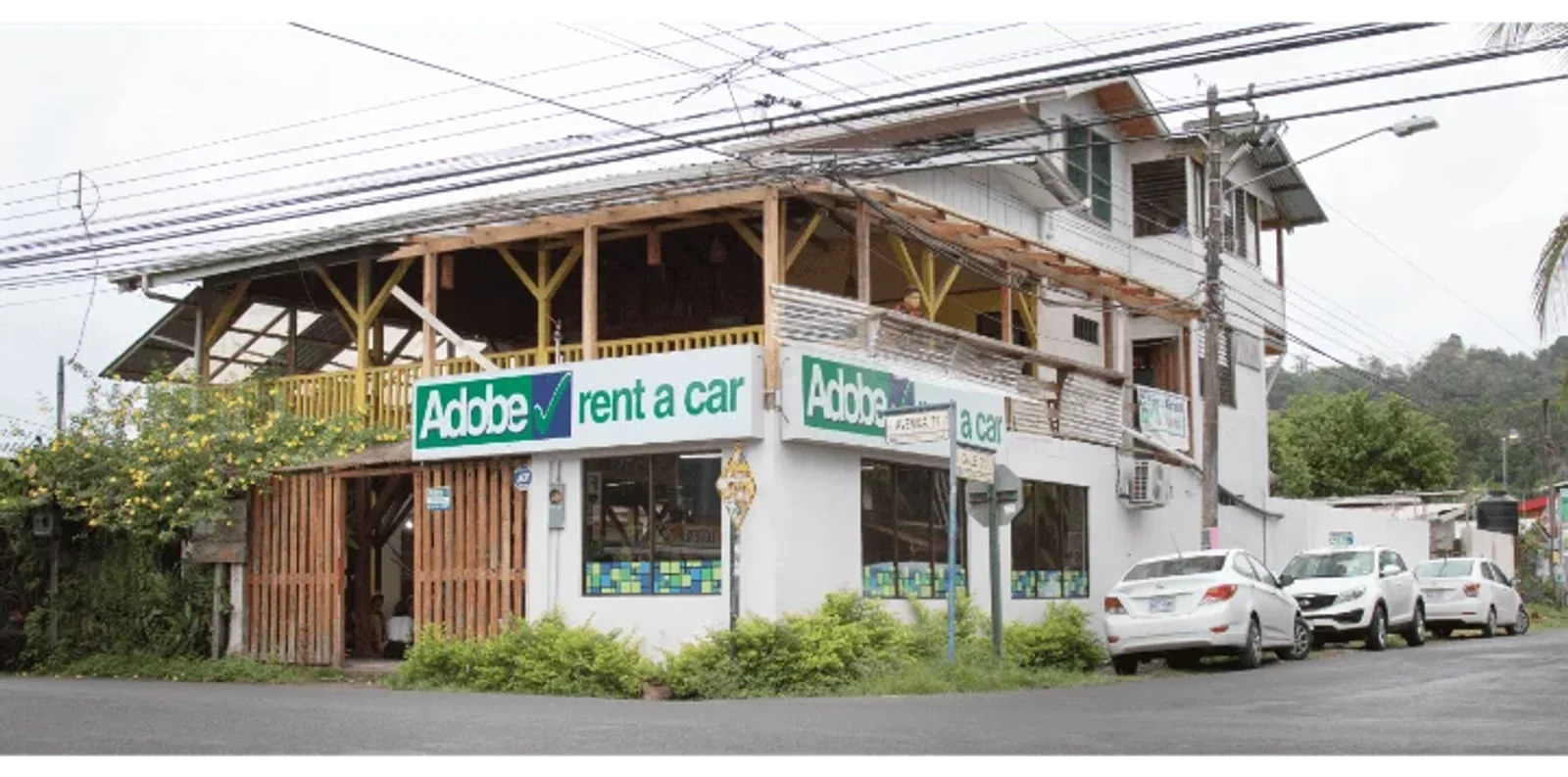
Do You Need a Rental Car in Puerto Viejo? What the Coast Road Actually Requires
Bikes and taxis cover most of a southern Caribbean week. Here are the days they do not, and what to arrange instead of renting for seven.
 Dallas Rogers
Short answer: you do not need a rental car for a Puerto Viejo week. You need a vehicle on one or two specific days, and those days are cheaper and calmer to solve with a driver than with seven days of rental, fuel and a car you keep worrying about.
Every guide to this coast tells you the same first half of that sentence. Bikes are everywhere, the coast road is flat, taxis and tuk tuks pass constantly, the bus runs north to Cahuita and south to Manzanillo. All true. What none of them tell you is which days of your trip the no-car plan quietly fails on, which is the only part of the decision that costs you anything.
So here is the second half.
What each way of moving is actually good for
| Mode | What it covers well | Where it stops working |
|---|---|---|
| Bicycle | The whole coast road south of town, beach hopping, breakfast, the daily rhythm of a stay in Cocles, Playa Chiquita or Punta Uva | After dark without lights, in heavy rain, and any day you are carrying more than a towel and a dry bag |
| Taxi or tuk tuk | Dinner and the ride home, a beach you do not feel like riding to, any trip where you have bags or a set arrival time | Long waits at odd hours, and no meter, so you agree the fare before you get in |
| Local bus | Cahuita to the north and Manzanillo to the south, cheaply and with no parking to think about | A fixed timetable you have to plan around, not the other way round. Confirm the last return time with the driver when you board, not from a blog |
| Rental car for the week | Inland trips, several destinations in one route, total independence from timetables | Parked all day at a beach or a trailhead, which is exactly where opportunistic theft happens on this coast. It also sits idle on every day you spend on a bike |
| Private driver for one day | The two or three trips that genuinely need a vehicle, with your bags inside it and nobody parking a full car at a trailhead | A whole week of it costs more than a rental, so this is a scalpel, not a default |
The days the no-car plan breaks
Four, in practice.
Your arrival and your departure. The drive from San Jose crosses the mountains through Braulio Carrillo and then runs south along the water, and the mountain section is the real hazard of the trip, not the destination. If you arrive in the dark, jet lagged, in rain, you are doing the hardest driving of your holiday at the worst possible moment. This is the classic case for a transfer rather than a rental, and our San Jose to Puerto Viejo route page lays out the options.
An inland day. The Talamanca foothills behind the coast, the Bribri area, the waterfalls and the chocolate farms are not on the coast road and not on the beach bus. This is the single day most couples wish they had wheels, and it is also the day a guide changes the experience more than a steering wheel does.
An early start at Cahuita. The park is worth being at when it opens, because the wildlife is active and the heat has not arrived. Doing that on the bus means trusting a morning timetable. Doing it on a bike means a long ride north on the main road, which is not the gentle flat spin you get heading south.
A fixed commitment in the rain. The Caribbean makes its own weather and can produce a hard, warm afternoon downpour in any month. Most of the time that is pleasant and you sit it out with a coffee. The day it matters is the day you have a reservation somewhere at a set hour, which is a taxi, not a bicycle.
Everything else, which is most of your trip, is a bike and a swimsuit.
Cahuita without a vehicle, and with one
This is where the car decision turns concrete, because the park itself treats the two arrivals differently.
Cahuita National Park has two sectors, and per SINAC's own park page, both are open every day from 8 a.m. to 4 p.m. If you enter at Playa Blanca, the entrance next to Cahuita village, the fee is a voluntary contribution paid in cash. If you enter at Puerto Vargas, non-resident foreigners pay $5.65 including tax, and that is the sector with the parking (SINAC, Cahuita National Park, hours and rates, checked 21 September 2026).
Read that back as a logistics instruction. Arriving by bus or taxi drops you in the village, a short walk from the Playa Blanca entrance, so bring small cash for the contribution. Arriving with a car means the sector with a car park, which is the sector that charges. The park lists toilets, showers, drinking water, trained local guides and community lifeguards among its services, so a no-car day there is not a day of improvising.
Our Cahuita National Park guide goes deeper on the trail and the reef. Hours and fees are the kind of thing that changes, so check SINAC close to your dates rather than trusting any page, including this one.
Manzanillo is the end of the road, in the good sense
South of Punta Uva the pavement runs out at Manzanillo, where the Gandoca Manzanillo wildlife refuge begins. SINAC's published fee schedule for protected areas lists the refuge as open daily with no entrance charge (SINAC, protected area entrance fees, checked 21 September 2026). The bus comes here. So do taxis. You do not need a car to reach the quietest water and the best walking on this stretch of coast, which is the part of the argument the cost comparisons keep missing: on the southern Caribbean, no car does not mean less access. It means a slower, more local version of the same day.
Two habits worth more than the car decision
Arrange the ride home before dinner, not after it. The coast road is unlit and the walk back from town is the most repeated bad decision here. Whether that is a taxi number, your hotel, or a bike with a working light, decide it while you are still dry and sober.
Never leave anything in a parked car. If you do rent, this is the rule that matters, and it applies to the boot as well as the seats. Theft from parked rental cars at beaches and trailheads is the most common thing that actually goes wrong for visitors on this coast. If you are travelling with kids and gear, our honest answer on Puerto Viejo for families covers the rest of that ground.
What a week actually looks like
Sleep along the coast road rather than in the centre of town, so the beaches are on your doorstep and the nightlife is a choice rather than a neighbour. Rent bikes for the stay. Use the bus or a taxi for Cahuita and Manzanillo. Book a driver and a guide for the inland day. Take a transfer on the way in and the way out, so your first and last hours on this coast are not spent negotiating a mountain road in the rain.
That is a week with no rental car, no parking anxiety, and one or two arranged days doing the work people buy a whole rental to cover.
For the destination end to end, the Puerto Viejo travel guide is the place to start. Where you sleep drives most of this decision, so read where to stay in Puerto Viejo next, then the Puerto Viejo beaches guide for which stretch of sand suits you and things to do in Puerto Viejo for the days in between. If you are still deciding whether to drive any of Costa Rica yourself, our guide to renting a car in Costa Rica is the wider view.
Ask us which days you need wheels
Tell us your dates, the hotel or area you are sleeping in, and the two or three things you most want to do on this coast. We will tell you plainly which days need a vehicle, which ones are better on two wheels, and where a guide is worth more than a car. If the honest answer for your route is rent for the whole week, we will say that too.
Message us and we will work through it with you.
TL;DR
You do not need a rental car in Puerto Viejo de Talamanca. Bikes cover the coast road, taxis cover the nights, and the bus covers Cahuita to the north and Manzanillo to the south. The days that break the no-car plan are your arrival and departure over the mountains from San Jose, an inland day toward Bribri and the waterfalls, an early start at Cahuita, and a fixed commitment in the rain. Solve those with a transfer or a driver. If you do drive to Cahuita, you arrive at the Puerto Vargas sector, which has the parking and charges $5.65 for non-resident foreigners; walking in from the village at Playa Blanca is a voluntary cash contribution, both sectors open daily 8 a.m. to 4 p.m. per SINAC, checked 21 September 2026.
Toorizta is how modern travelers plan, book and share Costa Rica trips. Open the app to build your own.
Open the Toorizta app